Best essay writing service that delivers quality help and secure experience to customers worldwide. The company has employed a team of professional researches and writers to ensure every order made by our clients is timely delivered. Custom writing services, essay writers

An Advanced Practice Registered Nurse

An Advanced Practice Registered Nurse

Please follow this

One

A short Introduction = About APRN

Two

Post a comparison of at least two APRN board of nursing regulations in your state/region with those of at least one other state/region = Example is California state and Texas

Three

Describe how they may differ. Be specific and provide examples. = At least 3-4

Four

Then, explain how the regulations you selected may apply to Advanced Practice Registered Nurses (APRNs) who have legal authority to practice within the full scope of their education and experience.

Five

Provide at least one example of how APRNs may adhere to the two regulations you selected.

Reference page at Least three sources

Note

This is a discussion

No tittle pages.

No running heads.

This a Masters level class

APA Format with intext citation

Required to use the reading resources, no outside resources for this one.

Heading:

Ø  Comparison of Board of Nursing Regulations between (California state and Texas)


Ø  How they may Differ (include examples) 

Ø  How do the Regulations Apply to Advanced Practice Registered Nurses?


Ø  Example of how APRNs May adhere to the Two Regulations


SAMPLE ANSWER

An Advanced Practice Registered Nurse

An Advanced Practice Registered Nurse (APRN) is a registered nurse with clinical competencies, complex decision-making skills, and expert knowledge critical for expanded practice (NCSBN, 2019).  APRNs can take more complex case works and have more discretion and independence than RNs.

The APRN board of nursing regulations in both California and Texas are similar in both the certification process and the application process. The states require nurses to verify their certification through clinical competency and experience in delivery of health care services (NursingLicensure.org, 20191; NursingLicensure.org, 20192). The certification process is also determined through education and a certification exam as determined by the certification agency. The application process in both states is the same as the application forms are got online from the board website (NursingLicensure.org, 20191; NursingLicensure.org, 20192). The evidence of current certification and eligibility would also be required.

ORDER A PLAGIARISM FREE PAPER HERE

The legislations also differ in both California and Texas. For example, the education requirements for APRNs in Texas are conducted at the master’s level or higher, and the programs must be nationally accredited by the board of nursing or an accrediting agency (NursingLicensure.org, 20191). In California, the education requirement includes completing an approved California’s education programs recognized by the Board or an equivalent program through an accepted organization (NursingLicensure.org, 20192).  The renewal requirements in both states also differ. For example, in Texas, APRN must have to maintain national certification, and there must be active practice and continuing education (NursingLicensure.org, 20191). However, in California, the renewal requirements do not involve continuous education. Instead renewal is automatic and may require payment of additional fees (NursingLicensure.org, 20192) Finally, Out-of-state nurses without licensing in California can apply and become temporary APRNs, but such nurses cannot work in Texas by submitting endorsement RN applications.

The legislations selected apply to APRNs because they must attain all education, certification, application and renewal requirements to work in respective states. The legislations are important in providing a clear understanding of APRNs scope of practice based on the state regulatory agencies (Milstead & Short, 2019).

APRNs need to adhere to both the educational requirements and certification requirements by doing approved programs by the Board of nurses or other nationally accredited by recognized accrediting agencies (ANA, 2017). The education requirements will help during the certification process since it must be consistent with education and other basics for certification exams.


References

Milstead, J. A., & Short, N. M. (2019). Health policy and politics: A nurse’s guide (6th ed.).

Burlington, MA: Jones & Bartlett Learning.

American Nurses Association (ANA). (November 14, 2017). ANA Enterprise.

https://www.nursingworld.org/practice-policy/aprn/

National Council of State Boards of Nursing (NCSBN). (2019). APRN consensus

implementation status. NCSBN. https://www.ncsbn.org/5397.htm

NursingLicensure.org (20191). Advanced Practice Registered Nurse license requirements in

Texas. Nursinglicensure. https://www.nursinglicensure.org/np-state/texas-nurse-practitioner.html

NursingLicensure.org (20192). Advanced Practice Registered Nurse license requirements in

Carlifornia. Nursinglicensure. https://www.nursinglicensure.org/np-state/california-nurse-practitioner.html


Needs help with similar assignment?

We are available 24x7 to deliver the best services and assignment ready within 3-4 hours? Order a custom-written, plagiarism-free paper

Get Answer Over WhatsApp Order Paper Now

PICOT Question and Literature Research-Hypertension

PICOT Question and Literature Research-Hypertension

 As mentioned below, weeks 1-3 need to be referred back to when completing this assignment. There is a Research Critique Guidelines form that helps with the lay out of the assignment. The previous article citations are sufficient for use due to this being a final draft of previous assignments. I need the assignment by Sunday, September 22, 2019 at 7PM. I am also attaching the previous rubrics with comments from the instructor, so that it is clear where I was docked points and where there needs to be improvement. Thank you so much!!!***

Prepare this assignment as a 1,500-1,750 word paper using the instructor feedback from the previous course assignments and the guidelines below.

PICOT Question 

Revise the PICOT question you wrote in the Topic 1 assignment using the feedback you received from your instructor.

The final PICOT question will provide a framework for your capstone project (the project students must complete during their final course in the RN-BSN program of study).

PICOT Question and Literature Research-Hypertension

Research Critiques

In the Topic 2 and Topic 3 assignments, you completed a qualitative and quantitative research critique on two articles for each type of study (4 articles total). Use the feedback you received from your instructor on these assignments to finalize the critical analysis of each study by making appropriate revisions.

The completed analysis should connect to your identified practice problem of interest that is the basis for your PICOT question.

Refer to “Research Critiques and PICOT Guidelines – Final Draft.” Questions under each heading should be addressed as a narrative in the structure of a formal paper.

PICOT Question and Literature Research-Hypertension

Proposed Evidence-Based Practice Change

Discuss the link between the PICOT question, the research articles, and the nursing practice problem you identified. Include relevant details and supporting explanation and use that information to propose evidence-based practice changes.

General Requirements

Prepare this assignment according to the APA guidelines found in the APA Style Guide, located in the Student Success Center. An abstract is not required.

This assignment uses a rubric. Please review the rubric prior to beginning the assignment to become familiar with the expectations for successful completion.

PICOT Question and Literature Research-Hypertension

You are required to submit this assignment to LopesWrite. Refer to the LopesWrite Technical Support articles for assistance.


SAMPLE ANSWER

PICOT Question and Literature Research

Summary of Clinical Issue:

Hypertension is one of the highest health problems globally because it contributes to increased rates of mortality and morbidity. It is estimated that approximately 56% of coronary artery diseases and 48% of stroke incidences result from hypertension (Chiu et al. 2014). In the US, hypertension affects 29% of the population leading to risks of cardiovascular diseases and stroke.  Factors such as poor dietary practices, sedentary lifestyles, and physical inactivity are the primary contributors to hypertension. According to Osté (2010), physical inactivity augments the risk of hypertension 8-9 times. Lifestyle modifications, including exercise and diet changes are the central management and preventive measures against cardiovascular diseases and hypertension (Apovianet al. 2014).  Besides, lifestyle modifications increase the efficacy of antihypertensive drug and control of blood pressure. Therefore it is critical to maintaining levels of blood pressure through exercises and dietary changes to prevent damage of vital body organs.

ORDER A PLAGIARISM FREE PAPER HERE

The PICOT question aims to determine whether the DASH and WTW improve blood pressure control among urban African Americans within five months of initiation of the intervention. According to Apovian et al. (2018), enhancing adherence to exercises and the DASH diet is essential to reducing an individual’s blood pressure. However, WTW is an intervention looking to reduce physical inactivity among individuals to help manage cardiovascular diseases and stroke. EBP intervention can be implemented and applied to determine whether they enhance or impede high-quality nursing care. This help to evaluate the outcome of the WTW and DASH on improving the level of patient’s high blood pressure.

PICOT Question:

Does the Dietary Approaches to Stop Hypertension (DASH) (I) in urban African-Americans with hypertension (P) improve blood pressure control (O) within 5 months of initiation of the intervention (T)?


Criteria Article 1 Article 2 Article 3
APA-Formatted Article Citation with Permalink Akita, S., Sacks, F. M., Svetkey, L. P., Conlin, P. R., & Kimura, G. (2003). Effects of the Dietary Approaches to Stop Hypertension (DASH) diet on the pressure-natriuresis relationship. Hypertension42(1), 8-13.https://www.ncbi.nlm.nih.gov/pubmed/12756219 Chiu, S., Bergeron, N., Williams, P. T., Bray, G. A., Sutherland, B., & Krauss, R. M. (2015). Comparison of the DASH (Dietary Approaches to Stop Hypertension) diet and a higher-fat DASH diet on blood pressure and lipids and lipoproteins: A randomized controlled trial–3. The American journal of clinical nutrition103(2), 341-347.

https://www.ncbi.nlm.nih.gov/pubmed/26718414

Kwon, I., Choi, S., Mittman, B., Bharmal, N., Liu, H., Vickrey, B., Song, S., Araiza, D., McCreath, H., Seeman, T., Oh, S. M., Trejo, L., … Sarkisian, C. (2015). Study protocol of “Worth the Walk”: A randomized controlled trial of a stroke risk reduction walking intervention among racial/ethnic minority older adults with hypertension in senior community centers. BMC Neurology15, 91.

https://bmcneurol.biomedcentral.com/articles/10.1186/s12883-015-0346-9

How does the Article Relate to the PICOT Question?  

The article proves whether the

(DASH) the diet hasa significant blood pressure (BP)-lowering action


The article analyzes whether the DASH Dietary Approaches to Stop Hypertension is a critical dietary modification for reducing cardiovascular disease and blood pressure (BP) risk.

The article reflects how physical activity through the Worth the Walk” (WTW) can help prevent stroke by reducing blood pressure.
Quantitative, Qualitative(How do you know?) The article is quantitative because it is based on the collection and analysis of numerical data. The article is quantitative because it is based on the collection and analysis of numerical data. The article is quantitative because it is based on the collection and analysis of numerical data.
Purpose Statement The effect of the DASH diet on the pressure-natriuresis relationship to find out the mechanisms of its BP-lowering action. The effects of substituting full-fat for low-fat dairy foods in the DASH diet, with a corresponding increase in fat and a reduction in sugar intake, on blood pressure and plasma lipids and lipoproteins The relationship between the Worth the Walk” (WTW) intervention and biological markers of health including blood pressure, non-HDL cholesterol, and body-mass index,
Research Question Does Dietary Approaches to Stop Hypertension (DASH) diet, rich in fruits, vegetables, and low-fat dairy foods, have substantial blood pressure (BP)-lowering action? Does substituting full-fat for low-fat dairy foods in the DASH diet, with a corresponding increase in fat and a reduction in sugar intake affects blood pressure and plasma lipids and lipoproteins Does the WTW increase physical activity and improve self-efficacy for being physically active and reducing the risk of stroke.
Outcome The study outcome is to find out whether the DASH diet can lower high blood pressure among patients with hypertension. The DASH significantly reduces blood pressure,high-density lipoprotein (HDL) and low-density lipoprotein (LDL) cholesterol in the body. The WTW intervention will increase physical activity and reduce the risk of stroke
Setting

(Where did the study take place?)

The study was carried out in a hospital setting that is not mentioned n the study.


The study was carried out at a clinical research center in Berkeley, California. The study was carried out at four ethnic-specific clusters at senior centers in Los Angeles.
Sample The study sample 412 participants were expected, but a sample size of n=375 was used in the study. The study sample involvesthirty-six participants who finished all the experimental diets and took part in the study. The study sample involves a total of 240 participants (60 participants from each of the four targeted ethnic groups).
Method The study employed a parallel-group design. The study employed a 3-period randomized crossover trial design. The study employed a single-blind randomized wait-list controlled trial design.
Key Findings of the Study The study showed that the DASH diet reduced BP effectively in groups with high sodium sensitivity.Besides, the DASH diet did not imply blood pressure at low intakes of sodium. The HF-DASH diet significantly reduced lipoprotein (VLDL) and triglycerides concentrations and significantly increased LDL compared with the DASH diet.

The DASH dietsignificantly reduced BP, LDL cholesterol, and HDL cholesterol.

The results showed that the physical activity was improved through the WTW intervention and this, in turn, reduces the risks of stroke. Therefore, WTW intervention reduces hypertension and stroke.
Recommendations of the Researcher It is recommended that the DASH diet is a critical non-pharmacological measure for controlling BP. It is recommended that the modified HF-DASH diet can be used as an effective alternative to the DASH diet. It is recommended that the Worth the Walk should function as the primary stroke prevention model stroke patients.


Criteria Article 4 Article 5 Article 6
APA-Formatted Article Citation with Permalink  

Apovian, C. M., Murphy, M. C., Cullum-Dugan, D., Lin, P. H., Gilbert, K. M., Coffman, G., … & Moore, T. J. (2010). Validation of a web-based dietary questionnaire designed for the DASH (dietary approaches to stop hypertension) diet: the DASH online questionnaire. Public health nutrition13(5), 615-622.

https://www.ncbi.nlm.nih.gov/pubmed/19912673


Osté, M. C., Gomes‐Neto, A. W., Corpeleijn, E., Gans, R. O., de Borst, M. H., van den Berg, E., … & Bakker, S. J. (2018). Dietary Approach to Stop Hypertension (DASH) diet and the risk of renal function decline and all‐cause mortality in renal transplant recipients. American journal of transplantation18(10), 2523-2533.

https://www.ncbi.nlm.nih.gov/pubmed/29464830

Staffiliano, A. B., Tangney, C, C., Fogg, L. (2018). Favorable Outcomes Using an eHealth Approach to Promote Physical Activity and Nutrition Among Young African American Women. The Journal of Cardiovascular Nursing. 33, 62–71.

https://www.ncbi.nlm.nih.gov/pubmed/28481823


How Does the Article Relate to the PICOT Question?  

The article looks at the DASH diet its correlation to lowering blood pressure and reduces the risk of heart disease, stroke, and osteoporosis.

The article addresses the Dietary Approach to Stop Hypertension (DASH) diet.


The article analyzes improving healthy nutrition behaviors by including a DASH diet can reduce the risk of hypertension.
Quantitative, Qualitative(How do you know?) The study is qualitative research because itmarked by use of online questionnaires, to collect verbal information,perceptions,and understandings of the topic. The study is qualitative research because itmarked by use of online questionnaires, to collect verbal information, perceptions, and understandings of the topic. The study is qualitative research because itmarked by use of Web-based questions that are accessible via the Internet and mobile devices, to collect verbal information, perceptions, and understandings of the topic.
Purpose Statement Assess the validity of a new, short, online dietary questionnaire created to capture DASH food intake. Dietary Approach to Stop Hypertension (DASH) diet and the risk of renal function decline and all‐cause mortality in renal transplant recipients. Favorable Outcomes Using an eHealth Approach to encourage Physical Activity and Nutrition Among Young African American Women
Research Question Does the validity of a new, short, online dietary questionnaire capture DASH food intake. Does the DASH diet lead to a lower risk of renal function? Does eHealth approach promote physical activity and nutrition among young African American women?
Outcome The DASH OLQ is a critical assessment tool for measuring DASH diet adherence.

The Dietary Approach to Stop Hypertension (DASH) diet reduces the risk of renal transplant among patients.

To improve healthy nutrition behaviors to decrease health risk behaviors, and decrease the risk of hypertension based on the DASH diet.
Setting

(Where did the study take place?)

The study was carried out atBoston University Medical Center, Boston, Massachusetts. The study was carried out in a large single‐center prospective cohort of RTR at the University Medical Center Groningen. The study was carried out at the University Medical Center
Sample The study sample includes faculty and staff aged 20–70 years at Boston University Medical Center The study sample includes the 817 invited patients;however, 632 participants were eligible for analyses. The study sample of 142 participants was expected, but a sample size of 124 was used in the study.
Method The study employed a cross-sectional validation of the DASH OLQ method. The study employed the observational prospective cohort study, and data were collected through a validated 177‐item food frequency questionnaire. A randomized, pre-post design Web-based design was used in the study.
Key Findings of the Study The DASH OLQ is a critical assessment tool for measuring DASH diet adherence.The DASH diet lowers blood pressure, cholesterol and the risk of stroke, osteoporosis, and heart disease.


The study showed that adherence to a DASH‐style diet is linked with a lower risk of renal function. The DASH participants showed that eHealth approach could be used for changing health behaviors patients with hypertension.
Recommendations of the Researcher It is recommended that the DASH OLQ is important in assessing the DASH diet adherence in clinical practice. It is recommended that a randomized clinical trial should be carried out to show whether adherence to the DASH diet risk of renal function. It is recommended that the eHealth approach is a critical program that can be used for changing health behaviors for other populations at risk.


The Link between the PICOT Question and Research Articles

DASH and WTW can help improve blood pressure control among urban African Americans within five months of initiation of the intervention. Hypertension is one of the highest health problems globally because it contributes to increased rates of mortality and morbidity. Physical inactivity and lifestyle modifications including exercise and diet changes are the main management and preventive measures against cardiovascular diseases and hypertension. Individuals can take control of the levels of their blood pressure through taking medication and adhering to lifestyle changes such as exercise, nutrition and weight management, and low sodium intake.

PICOT Question and Literature Research-Hypertension

Healthcare practitioners can provide non-pharmacological treatment and offer holistic care to patients with high blood pressure. The APNs can promote reductions of blood pressures by helping patients take their medications, increase patient’s physical activity, reduce patient’s sodium intake, and improve patient’s follow up visits. Thus, the WTW and DASH tools are successful in helping patients manage their lifestyle and manage their blood pressures and adhere to their treatment plan with the assistance of APNs.

Kwon, et al. (2015) carried out a randomized controlled trial to assess the effects of a culturally designed walking intervention (Worth the Walk) that is community-based to decrease the risk of stroke by increasing the rate of physical exercise among Latino, African American, Korean and Chinese seniors suffering from hypertension. The study demonstrated considerable improvements in knowledge about stroke and body exercise in the intervention group as compared to the control group (Kwon, et al. 2015). The findings of the study suggest that nursing education should highly consider training the nurses about physical exercise and implement the worth a walk intervention to improve patient outcome. Therefore, nurses should consider the intervention as the primary prevention strategy for stroke among seniors in various minority ethnic or racial groups in the United States.

PICOT Question and Literature Research-Hypertension

Chiu, et al. (2015) conducted a study on the effects of substitution of full-fat with low-fat dairy food products in the DASH diet with a corresponding increase in fat and a decrease in the intake of sugar on plasma lipids, lipoproteins and blood pressure. The participants of the study finished the three dietary periods. The HF-DASH and DASH diets profoundly reduced blood pressure compared to the control diet. There was a reduction in the concentration of medium and large very-low-density lipoprotein particles and triglycerides (Chiu, et al.,2015). The HF-DASH diet also increased the peak particle diameter of LDL and decreased the HDL cholesterol, LDL cholesterol, apolipoprotein A-I, large LDL particles Intermediate density lipoprotein and the width of LDL peak compared with the control diet. The researchers did not mention any limitations of the study.

Besides, Akita, Sacks, Svetkey, Conlin and Kimura, (2003) consider that the extent of adherence to diet determines the effectiveness of the intervention of the DASH diet. Most people with the problem of following prescribed diets have difficulty if adhering to DASH diet. It is the responsibility of the nurses to create awareness and advice patients on how to follow prescribed diets to increase the effectiveness of DASH intervention (Akita, Sacks, Svetkey, Conlin & Kimura, 2003). It is also essential to include a variation in the composition of the macronutrients in the DASH diet while still enhancing the preservation to the benefits of lipid and blood pressure risk factors. Therefore, improving adherence to exercises and the DASH diet is essential to reducing an individual’s blood pressure. This is because of studies with exercise adherence

PICOT Question and Literature Research-Hypertension

Interventions to Address the Health Issue

Individuals can take control of the levels of their blood pressure through taking medication and adhering to lifestyle changes such as exercising, smoking and alcohol cessation, nutrition and weight management, stress management, and low sodium intake.

i.                Nutrition and Weight Management: Obesity and overweight are closely linked to increased levels of blood pressure (Orzech et al. 2014). Therefore, keeping track of how much and what an individual eat is essential. Eating foods with low trans fats, cholesterol, refined sugar, and saturated fats is essential (Staffileno, Tangney, Fogg, 2018). Besides, having vegetable and fruits as part of the diet every day is very critical.  Seeking the help of dietitian can help the patient plan eating habits and lose weight.

  1. Exercising: According to Paganas et al. (2014), regular exercises help to reduce the risks of cardiovascular diseases. It reduces LDL-cholesterol and increase HDL-cholesterol, reduces weight among obese individuals, reduces blood pressure, and reduce endothelial dysfunction. Therefore, exercising regularly helps in the management of hypertension. It is recommended that the exercises should involve a regular and safe exercise program.
  2. PICOT Question and Literature Research-Hypertension
  • Reducing sodium intake: Most patients with hypertension are sensitive to sodium in their food. With the help of a dietitian, individuals can evaluate their choices of food and eat foods low in sodium. Besides, using the DASH diet, patients can choose the sodium levels that meet their health requirements (Chiu et al. 2015). It encourages individuals to reduce their sodium level to help reduce hypertension and instead eat foods rich in nutrients such as magnesium, calcium, and potassium that help lower blood pressure.

Evidence Based Changes and Measuring Tools

  1. The Dietary Approaches to Stop Hypertension (DASH)

DASH is a dietary eating blueprint that focuses on whole grains, low-fat nutritional foods, vegetables and grains as the primary dietary modification for reducing high-density lipoprotein (HDL) cholesterol, low-density lipoprotein (LDL) and blood pressure (Chiu et al. 2015).  Adherence to the DASH dietary regime is liked to reduce the risk of hypertension because the consumption of the DASH diet has lower LDL cholesterol compared to the Western diet that has saturated fats (Chiu et al. 2015). Therefore, the DASH diet has a lower content of saturated fats that may help reduce risks of blood pressure and cardiovascular diseases. The level of adherence to the DASH also strongly determines the efficacy of the intervention because poorer adherence does not provide benefits on blood pressure and lipid risk factors.

PICOT Question and Literature Research-Hypertension

  1. “Worth the Walk” (WTW)

The WTW is an intervention looking to reduce physical inactivity among individuals to help manage cardiovascular diseases and stroke (Kwon et al. 2015). The main tools objective is to measure to increase walking levels which are measured in mean steps per day to prevent sedentary lifestyle and inactivity. The tool also aims to determine the correlation between the intervention and its impact on c-reactive protein (CRP), glycosylated hemoglobin (HgA1c), non-HDL cholesterol, body-mass index, and blood pressure (Kwon et al. 2015). Finally, the tool also focuses on the self-efficacy and behaviors that help control risk factors of high blood pressure and stroke. Thus, WTW help to increase an individual’s physical activity, which can serve as the primary high blood pressure prevention among individuals.

PICOT Question and Literature Research-Hypertension

Conclusion

The major insights developed regarding the role of EBP is that APNs have the role and responsibility to provide a wide range of health care services to patients of all ages. Nurses must provide EBP practices to help improve the patient’s outcome based on the best available evidence. The DASH and WTW as an EBP intervention can improve blood pressure control among urban African Americans within five months of initiation of the intervention. The EBP intervention can be implemented and applied to determine whether they enhance or impede high-quality nursing care. This helps to evaluate the outcome of the WTW and DASH on improving the level of patient’s high blood pressure. Thus, EBP intervention on hypertension promotes an attitude of inquiry among nurses that can guide them to provide care more effectively as informed by the available evidence.


References

Akita, S., Sacks, F. M., Svetkey, L. P., Conlin, P. R., & Kimura, G. (2003). Effects of the Dietary

Approaches to Stop Hypertension (DASH) diet on the pressure-natriuresis relationship. Hypertension42(1), 8-13.https://www.ncbi.nlm.nih.gov/pubmed/12756219

Apovian, C. M., Murphy, M. C., Cullum-Dugan, D., Lin, P. H., Gilbert, K. M., Coffman, G., …

& Moore, T. J. (2010). Validation of a web-based dietary questionnaire designed for the DASH (dietary approaches to stop hypertension) diet: the DASH online questionnaire. Public health nutrition13(5), 615-622.

https://www.ncbi.nlm.nih.gov/pubmed/19912673

Chiu, S., Bergeron, N., Williams, P. T., Bray, G. A., Sutherland, B., & Krauss, R. M. (2015).

Comparison of the DASH (Dietary Approaches to Stop Hypertension) diet and a higher-fat DASH diet on blood pressure and lipids and lipoproteins: a randomized controlled trial–3. The American journal of clinical nutrition103(2), 341-347. https://doi.org/10.3945/ajcn.115.123281

Hagins, M., Rundle, A., Consedine, N. S., & Khalsa, S. B. S. (2014). A randomized controlled

trial comparing the effects of yoga with an active control on ambulatory blood pressure in individuals with prehypertension and stage 1 hypertension. The Journal of Clinical Hypertension16(1), 54-62. https://doi.org/10.1111/jch.12244

Kwon, I., Choi, S., Mittman, B., Bharmal, N., Liu, H., Vickrey, B., Song, S., Araiza, D.,

McCreath, H., Seeman, T., Oh, S. M., Trejo, L., … Sarkisian, C. (2015). Study protocol of “Worth the Walk”: a randomized controlled trial of a stroke risk reduction walking intervention among racial/ethnic minority older adults with hypertension in senior community centers. BMC Neurology15, 91. doi:10.1186/s12883-015-0346-9

Migneault, J. P., Dedier, J. J., Wright, J. A., Heeren, T., Campbell, M. K., Morisky, D. E., Rudd,

P., Friedman, R. H. (2012). A culturally adapted telecommunication system to improve physical activity, diet quality, and medication adherence among hypertensive African-Americans: A randomized controlled trial. Annals of Behavioral Medicine, 43(1), 62-73. doi:http://dx.doi.org/10.1007/s12160-011-9319-4

Osté, M. C., Gomes‐Neto, A. W., Corpeleijn, E., Gans, R. O., de Borst, M. H., van den Berg, E.,

… & Bakker, S. J. (2018). Dietary Approach to Stop Hypertension (DASH) diet and the risk of renal function decline and all‐cause mortality in renal transplant recipients. American journal of transplantation18(10), 2523-2533.

https://www.ncbi.nlm.nih.gov/pubmed/29464830


Needs help with similar assignment?

We are available 24x7 to deliver the best services and assignment ready within 3-4 hours? Order a custom-written, plagiarism-free paper

Get Answer Over WhatsApp Order Paper Now

Family Genogram -Kate Andrews

Family Genogram -Kate Andrews

Learning Objectives

Students will:

  • Assess client families presenting for psychotherapy
  • Develop genograms for client families presenting for psychotherapy

To prepare:

  • Select a client family that you have observed or counseled at your practicum site.
  • Reflect on elements of writing a comprehensive client assessment and creating a genogram for the client you selected.

The Assignment

NOTE TO WRITER:  You can make up any information in the family client assessment.  Be aware that the family was seen for drug addiction during a family therapy session.

Family Genogram -Kate Andrews

Part 1: Comprehensive Client Family Assessment

Create a comprehensive client assessment for your selected client family that addresses (without violating HIPAA regulations) the following:

  • Demographic information
  • Presenting problem
  • History or present illness
  • Past psychiatric history
  • Medical history
  • Substance use history
  • Developmental history
  • Family psychiatric history
  • Psychosocial history
  • History of abuse and/or trauma
  • Review of systems
  • Physical assessment
  • Mental status exam
  • Differential diagnosis
  • Case formulation
  • Treatment plan

Part 2: Family Genogram

Develop a genogram for the client family you selected. The genogram should extend back at least three generations (parents, grandparents, and great grandparents).


SAMPLE ANSWER

Part 1: Comprehensive Client Family Assessment

Demographics:  Kate Andrews is a 40-year-old woman and is married to Bob and is also currently living with her son and her father who has Alzheimer’s disease. She is a devout Christian and works as a teacher in a nearby school. Bob is currently jobless.

Presenting problem: Kate is anxious about life and she complains of insomnia and is easily irritable. Bob, on the other hand, is frustrated about unemployment and hence takes alcohol to calm down

History of present illness: Kate exhibited insomnia and irritability for about four years. Two years ago, a clinician offered antidepressants but she declined and hoped that she would get help from God. Bob has been anxious since he lost his job one year ago.

Family Genogram -Kate Andrews

Past psychiatric history: Kate’s symptoms started a few years into her marriage but became severe when Bob became jobless as he also became violent. She was given antidepressants but did not take them. Bob has not sought any help yet.

Medical history: Kate was offered antidepressants but declined to take them. She has been searching for home remedies online including calming concoctions and some exercises such as yoga; she acknowledges that she needs support to cope. Bob and Kate have no other medical issue.

Substance use history: Kate and Bob indulge in alcohol use to calm down

Developmental history: Kate is the firstborn in a strongly religious family of three children, two girls and a boy. Her mother died when she was about ten years old. She was a healthy child and she exhibited exemplary performance in school. Bob is an only child in their family and also has had a healthy childhood although he experienced domestic violence as a child. Both of his parents are alive and there are no mental issues in his history.

ORDER A PLAGIARISM FREE PAPER HERE

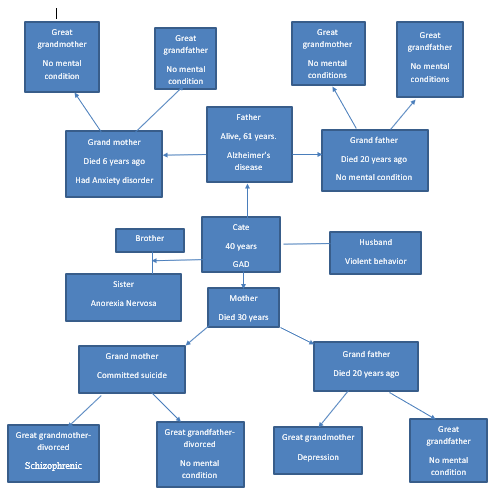
Family psychiatric history: Kate’s grandfather has been diagnosed with depression and her father was at some point diagnosed with an anxiety disorder. Her great-grandmother was schizophrenic. Her grandmother committed suicide and her sister has been diagnosed with an eating disorder. Bob’s father was violent, but there is no other mental history in the family.

Psychosocial history: The family is living with their son and Kate’s father who is suffering from Alzheimer’s disease. They have close friends although Kate also has friends from church who visit and pray with her.

History of abuse/trauma: Bob has been violent and found every reason to beat her up and hurl insults at her since he lost his job. Kate is sad about the state of affairs and is overwhelmed about having to shoulder the responsibilities in the family.

Review of systems

The two look okay generally, there are no major issues. Genrally,l they exhibit malaise and they complain of blurry eyesight. Kate has a sore throat and there is no coughing or wheezing. On musculoskeletal assessment, Bob shows tension in the neck, shoulders, and legs. Psychiatric assessment reveals that there are No thoughts of suicide or hallucinations, although they both exhibit insomnia, and sadness.

Physical assessment: Kate has tension in the neck and shoulders, eyes are red and puffy and Bob looks very tired. Kate has no fever but has lost weight.

Family Genogram -Kate Andrews

Mental status exam: On appearance, Kate has a build posture but exhibits sad emotional expressions. Bob is not well-groomed and has untidy hair and he is unable to maintain eye contact unlike Kate.  Kate speaks while taking long pauses although she is fluent. She is conscious and also has memory although she also goes ahead to provide unnecessary information.

Differential diagnosis: although they have substance abuse as the main issue, the differential diagnosis includes Sadness, Adjustment disorder with depressed mood, and Generalized Anxiety Disorder (GAD. According to Lokko and stern, (2014), sadness occurs when a person exhibits dissatisfaction with life, sorrow, and hopelessness. It presents in different ways and may include insomnia or changes in eating patterns (Bröer, & Besseling, 2017).Casey et al. (2015), define Adjustment disorder with depressed mood as occurring when the patient experiences a change in life which makes them feel overwhelmed. Generalized Anxiety Disorder (GAD) is characterized by a patient showing signs of excessive worry for more than six months (Bui et al .2017).

Nursing Paper Help

Case formulation: Kate and Bob both show worry and anxiety about the inability to take care of their son and Kate’s father. Using the metacognitive model, it becomes evident that Kate is worried that she will be unable to meet their needs while Bob is anxious because he is unemployed. The metacognitive model explains by explaining that ruminative thinking makes an individual to repetitively think about the issues that affect a person’s negative emotional experience (Solem, et al. 2016). It, therefore, influences an individual to get worried and this is stored in their long-term memory. Kate and Bob’s worry triggers ruminative thinking and they remember their troubles and consequently think of the recycled thoughts and emotions, which further bring about rumination and the cycle continues. They then indulge in substance use, as a way to help them out of the problem.

Treatment

  • Medication, such as selective serotonin reuptake inhibitor to ease the symptoms of depressed mood and anxiety (Ionescu et al. 2015).
  • Psychotherapy


Part 2: Kate’s Family Genogram


Family Genogram -Kate Andrews


References

 Bröer, C., & Besseling, B. (2017). Sadness or depression: Making sense of low mood and the

Medicalization of everyday life. Social Science & Medicine, 183, 28-36.

Bui, E., Anderson, E., Goetter, E. M., Campbell, A. A., Fischer, L. E., Barrett, L. F., & Simon,

  1. M. (2017). Heightened sensitivity to emotional expressions in generalized anxiety disorder, compared to social anxiety disorder, and controls. Cognition and Emotion, 31(1), 119-126. doi.org/10.1080/02699931.2015.1087973

Casey, P., Jabbar, F., O’Leary, E., & Doherty, A. M. (2015). Suicidal behaviors in adjustment

Disorder and depressive episode. Journal of affective disorders, 174, 441-446. doi.org/10.1016/j.jad.2014.12.003Get rights and content

Ionescu, D. F., Rosenbaum, J. F., & Alpert, J. E. (2015). Pharmacological approaches to the

Challenge of treatment-resistant depression. Dialogues in clinical neuroscience17(2), 111–126.

Lokko, H. N., & Stern, T. A. (2014). Sadness: diagnosis, evaluation, and treatment. The primary

Care companion for CNS disorders, 16(6), 10.4088/PCC.14f01709. doi:10.4088/PCC.14f01709

Solem, S., Hagen, R., Hoksnes, J. J., & Hjemdal, O. (2016). The metacognitive model of

Depression: an empirical test in a large Norwegian sample. Psychiatry research, 242, 171-173. doi.org/10.1016/j.psychres.2016.05.056


Needs help with similar assignment?

We are available 24x7 to deliver the best services and assignment ready within 3-4 hours? Order a custom-written, plagiarism-free paper

Get Answer Over WhatsApp Order Paper Now

Practicum Journal Entry

Practicum Journal Entry

Learning Objectives

Students will:

  • Apply documentation skills to examine family therapy sessions *
  • Develop diagnoses for clients receiving family psychotherapy *
  • Analyze legal and ethical implications of counseling clients with psychiatric disorders *

Select two clients you observed or counseled this week during a family therapy session. Note: The two clients you select must have attended the same family session.

NOTE TO WRITER:  You can make up any two clients that are related that were seen for drug or alcohol addiction therapy along with making up their histories or medications.  And please use the group therapy progress note in the additional materials.

Then, address in your Practicum Journal the following:

  • Using the Group Therapy Progress Note in this week’s Learning Resources, document the family session.
  • Describe (without violating HIPAA regulations) each client, and identify any pertinent history or medical information, including prescribed medications.
  • Using the Diagnostic and Statistical Manual of Mental Health Disorders, Fifth Edition (DSM-5), explain and justify your diagnosis for each client.
  • Explain any legal and/or ethical implications related to counseling each client.
  • Support your approach with evidence-based literature


SAMPLE ANSWER

Practicum Journal Entry

The journal entry focuses on documentation skills during a therapy session. The paper diagnoses two clients under psychotherapy and analyzes the legal and ethical implications of the therapy used to counsel the patients.

Client #1

Michael Darwin is a 30-year-old Caucasian male working at APS. He was raised by a single parent, and her mother is dead after committing suicide due to anxiety and depression.

Presenting Problems: Depression and Mood Disorders

Michael is a withdrawn individual during therapy sessions. His hair and clothes are clean, and he denies suicidal ideation. However, he admits struggling working due to lack of concentration due to lack of enough sleep.

ORDER A PLAGIARISM FREE PAPER HERE

Medical History

The patient struggles with depression and often isolates himself from friends and family members. There are no issues of both psychological and physical abuse, but he was diagnosed with depression at 17 years old.  The patient uses Zoloft 100mg daily for depression.

 Diagnosis

The patient has experienced a loss of pleasure and depressed mood for about two weeks. The symptoms cause lack of concentration at work and other activities during the day.  Impairment in social work-related activities is caused by depressed mood, recurrent thoughts of death, insomnia, diminished interest and agitation (American Psychiatric Association, 2013).


Group Therapy Progress Note

Client:  Michael Darwin                                                       Date: 9-21-2019

Group name: Psychological Health Group

 Minutes: 45 

Group session: # 2    

Meeting attended is #: 4 for this client.

Number present in group: 2 of 4 scheduled

Start time:  11: 00 AM         

 End time: 11: 50 AM

Assessment of client

  1. Participation level: ❑ Active/eager ❑ Variable ❑ Only responsive ❑ Minimal ❑ Withdrawn
  2. Participation quality: ❑ Expected ❑ Supportive ❑ Sharing ❑ Attentive ❑ Intrusive

❑ Monopolizing ❑ Resistant ❑ Other: _____________________________________

  1. Mood: ❑ Normal ❑ Anxious ❑ Depressed Angry ❑ Euphoric ❑ Other: _______________
  2. Affect: ❑ Normal ❑ Intense ❑ Blunted ❑ Inappropriate ❑ Labile ❑ Other:_______________
  3. Mental status: ❑ Normal ❑ Lack awareness ❑ Memory problems ❑ Disoriented ❑ Confused

❑ Disorganized ❑ Vigilant ❑ Delusions ❑ Hallucinations ❑ Other:__________________

  1. Suicide/violence risk: ❑ Almost none ❑ Ideation ❑ Threat ❑ Rehearsal ❑ Gesture ❑ Attempt
  2. Change in stressors: ❑ Less severe/fewer ❑ Different stressors ❑ More/more severe ❑ Chronic
  3. Change in coping ability/skills: ❑ No change ❑ Improved ❑ Less able ❑ Much less able
  4. Change in symptoms: ❑ Same ❑ Less severe ❑ Resolved ❑ More severe ❑ Much worse


  1. Other observations/evaluations:_________________________________

In-session procedures

Expression of feelings experienced

Discussion on coping skills

Home Work

Provision of a book on psychological and physical coping mechanisms

Other Comments

Anger management, loss of mood, and withdrawal are critical issues that the patient need to manage through Cognitive Behavioral Therapy.

Practicum Journal Entry


Client #2

Lynn Turner is a 34-year-old Hispanic female working as a nurse in a Community Center of Trauma. She has two children and lives in a gated community with low levels of crime.  Her husband died in a rock accident while working as a truck driver.

Presenting Problem: Depression, Anxiety, and PTSD

The patient is alert, oriented, and attentive during therapy sessions. His mood seems depressed and anxious. However, she denies having thoughts of committing homicide or suicide. But the client admits having memory problems and lack of awareness during work.

Medical History

The client mentions that she has seen a psychological therapist as a child. Ever since there have never been issues with depression and anxiety until she lost her husband in a truck accident. The client uses Xanax 1 mg and Paxil 40mg daily to relieve severe stress.

Diagnosis

The client is suffering from a Posttraumatic Stress Disorder due to the psychological trauma and other clinical symptoms she faces. PTSD is caused through the following experiences of traumatic events: exposure to stressor, intrusion symptoms, persistent avoidance, and negative alterations in mood and cognition (American Psychiatric Association, 2013).

Group Therapy Progress Note

Client:  Lynn Turner                                                  Date: 9-21-2019

Group name: Psychological Health Group

 Minutes: 45 

Group session: # 2    

Meeting attended is #: 3 for this client.

Number present in group: 2 of 4 scheduled

Start time:  11: 00 AM         

 End time: 11: 50 AM

Assessment of client

  1. Participation level: ❑ Active/eager ❑ Variable ❑ Only responsive ❑ Minimal ❑ Withdrawn
  2. Participation quality: ❑ Expected ❑ Supportive ❑ Sharing ❑ Attentive ❑ Intrusive

❑ Monopolizing ❑ Resistant ❑ Other: _____________________________________

  1. Mood: ❑ Normal ❑ Anxious Depressed ❑ Angry ❑ Euphoric ❑ Other: _______________
  2. Affect: ❑ Normal ❑ Intense ❑ Blunted ❑ Inappropriate ❑ Labile ❑ Other:_______________
  3. Mental status: ❑ Normal Lack awarenessMemory problems ❑ Disoriented ❑ Confused

❑ Disorganized ❑ Vigilant ❑ Delusions ❑ Hallucinations ❑ Other:__________________

  1. Suicide/violence risk: ❑ Almost none ❑ Ideation ❑ Threat ❑ Rehearsal ❑ Gesture ❑ Attempt
  2. Change in stressors: ❑ Less severe/fewer ❑ Different stressors ❑ More/more severe ❑ Chronic
  3. Change in coping ability/skills: ❑ No change ❑ Improved ❑ Less able ❑ Much less able
  4. Change in symptoms: ❑ same ❑ Less severe ❑ Resolved ❑ More severe Much worse
  5. Other observations/evaluations:________________________________________________________

In-session procedures

Expression of feelings experienced

Discuss what relaxation means

Discussion on coping skills

Nursing Paper Help

Home Work

Provision of a book on psychological and physical coping mechanisms

Practicum Journal Entry

Other Comments

Anger management, loss of mood, and withdrawal are critical issues that the patient need to manage through Cognitive Behavioral Therapy.

Legal and Ethical Implications

The Health Insurance Portability and Accountability Act (HIPAA) is a health care act that ensures client health information is protected during the provision of healthcare services. Confidentiality is critical during the provision of group therapy. However, psychiatrists do not have control of the patient’s information and ensuring patients privacy often become challenging. Therefore, the psychiatrists need to educate their patients on the importance of group therapy. Trust among group members ensures good relations and flow of information to guarantee quality care and counseling.

Appropriateness of Cognitive Behavioral Therapy

Cognitive-behavioral therapy (CBT) is a critical therapy for clients with psychological needs. It aims to develop coping requirements that help in the management of anxiety, PTSD, and depression (Keane, 2018). CBT is made up of three levels: negative automatic thoughts, core beliefs, and dysfunctional assumptions (McLeod, 2015). Thus, CBT focuses on self-discovery and help patients conceptualize and understand the reason behind their mental conditions and thoughts, thereby encouraging positive changes.


References

 American Psychiatric Association. (2013). Diagnostic and statistical manual of mental disorders.

Washington, DC: Author.

Fenn, K., & Byrne, M. (2013). The key principles of cognitive-behavioral therapy. Education

and inspiration for general practice, 6(9), 579-585. DOI:10.1177/1755738012471029

Keane, H. (2018). Facing addiction in America: The Surgeon General’s Report on Alcohol,

Drugs, and Health U.S. Department Of Health And Human Services, Office Of The Surgeon General Washington, DC, USA: U.S. Department of Health and Human Services, 2016 382 pp. Drug and Alcohol Review, 37(2), 282-283. DOI:10.1111/dar.12578


Needs help with similar assignment?

We are available 24x7 to deliver the best services and assignment ready within 3-4 hours? Order a custom-written, plagiarism-free paper

Get Answer Over WhatsApp Order Paper Now

Vargas Family-Discharge Summary

Vargas Family-Discharge Summary

Read the entire “Vargas Family Case Study” (all eight sections). Consider the progress (or lack thereof) over the past eight sessions. Using the “Discharge Summary Outline” template; include the following in your outline:

1. A brief summary of what was going on with the family

2. A review of the initial treatment goals

3. Theories and interventions used

4. A brief discharge summary for the family treatment

5. Clinical recommendations for sustained improvement or referrals for additional services

While APA style is not required for the body of this assignment, solid academic writing is expected, and documentation of sources should be presented using APA formatting guidelines, which can be found in the APA Style Guide, located in the Student Success Center.

This assignment uses a scoring guide. Please review the scoring guide prior to beginning the assignment to become familiar with the expectations for successful completion.

You are required to submit this assignment to LopesWrite. Refer to the directions in the Student Success Center.


SAMPLE ANSWER

PCN-521 Module 8:Vargas Case Study Discharge Summary Outline

  1. A brief summary of what was going on with the family at the onset of counseling:


  1. At the onset of counseling, the family was divided. The main reason behind the division was the constant disagreement between Bob and Elizabeth concerning Frank’s bad behavior. Frank was impulsive, consistently lost things, did not listen and was consistently picking on his sister, Heidi. While Elizabeth believed that Frank had ADHD, Bob minimized his behavior claiming that it was normal behavior for a boy. Bob and Elizabeth constantly argued with each other and this created tension in their marriage and the family in general.

Nursing Paper Help

  1. A review of the initial treatment goals:


  1. The main goal of the first session was to develop a hypothesis that was maintaining the problem.
  2. The second goal was to develop a therapeutic relationship with each family member to improve the therapy session.
  • Theories and interventions used
    1. Week 1:
      1. Rapport building
      2. Family fun day out
    2. Week 2:
      1. Weekly soccer matches
    3. Week 3:
      1. Developing a family tree
    4. Week 4:
      1. Structural family therapy
      2. Family structure chart
  • Mirroring activity
  1. Constructing genogram
  1. Week 5:
    1. Bateson’s cybernetic model
    2. Strategic family therapy
  • Mental research institute model
  1. The Milan Family system model
  2. Haley and Madanes Strategic Approach

Vargas Family-Discharge Summary

  1. Week 6:
    1. Act and talk it out
    2. Soccer for the mind
  • Paint your feelings
  1. Week 7:
    1. Narrative therapy
  2. Week 8:
    1. Solution-focused brief therapy

Vargas Family-Discharge Summary

  1. A brief discharge summary for the family treatment:


  1. Reasons for seeking therapy: the family came to therapy to work on their communication problems. Elizabeth and Bob were fighting in front of their children, Frank was attacking his sister while Heidi’s achievements were ignored leaving her exposed to developing attention deficit disorder.
  2. Significant findings: Frank should get an official ADHD diagnosis and if he has the disorder, proper treatment interventions should be administered. The interventions proposed are designed to facilitate a state of wellness for the entire family. The weekly soccer matches appear to be working as the family report progress and improved interaction. Bob has shown the most transformation towards the end of therapy. He understands the amount of work Elizabeth puts in to take care of Frank. Heidi is also closer to Frank and she no longer feels ignored

ORDER A PLAGIARISM FREE PAPER HERE

  1. Treatment: solution focused brief therapy was used where solutions were identified. Several sessions were held with the entire family where observations were made. Narrative therapy was also used together with solution-focused brief therapy
  2. Termination of therapy condition: the family has improved its communication strategies, Bob is more passionate about Elizabeth’s struggles and Frank and Heidi are interacting positively. The family is holding weekly bonding sessions over soccer matches and everyone is enjoying each other’s company.
  1. Clinical recommendations for sustained improvement or referrals for additional services:
    1. Frank is referred to a pediatrician for further analysis according to the American Psychiatric Association’s Diagnostic and Statistical Manual
    2. The family should continue to have weekly family time
    3. The family should hold therapy sessions with the extended family
    4. Frank should be enrolled in a soccer camp to improve his soccer skills


Needs help with similar assignment?

We are available 24x7 to deliver the best services and assignment ready within 3-4 hours? Order a custom-written, plagiarism-free paper

Get Answer Over WhatsApp Order Paper Now

United Healthcare Group

United Healthcare Group

Research a health care organization or network that spans several states with in the United States (United Healthcare, Vanguard, Banner Health, etc.). Assess the readiness of the health care organization or network you chose in regard to meeting the health care needs of citizens in the next decade.

Prepare a 1,000-1,250 word paper that presents your assessment and proposes a strategic plan to ensure readiness. Include the following:

  1. Describe the health care organization or network.
  2. Describe the organization’s overall readiness based on your findings.
  3. Prepare a strategic plan to address issues pertaining to network growth, nurse staffing, resource management, and patient satisfaction.
  4. Identify any current or potential issues within the organizational culture and discuss how these issues may affect aspects of the strategic plan.
  5. Propose a theory or model that could be used to support implementation of the strategic plan for this organization. Explain why this theory or model is best.


SAMPLE ANSWER

United Healthcare Group

United Healthcare Group is a health company that is located in Minnesota. Its main objective is to offer healthcare services at an affordable price to citizens of the United States and people across the globe. The company was founded in the late 1970s by Richard Burke with a primary purpose of enhancing quality healthcare practices to ensure adequate care to all people and also improve business management (Tillman, 2015). The company has experienced rapid growth and development over the last few years, and it is now known to be one of the largest health organizations in the United States. The organization still aims at transforming the quality of health care services in the United States to enhance the healthy living of the population it serves (Tillman, 2015). This paper aims at describing the readiness of the health organization in improving quality care, preparing strategic plans on network growth, nurse staffing, resource management, and patient satisfaction. Also, the paper discusses the organizational culture and how it may affect the effectiveness of the strategic plan. A theory that can help in the implementation of the strategic plan in the organization is also discussed.

Overall Readiness of United Healthcare in Meeting Healthcare Needs

United Healthcare Group is highly prepared in meeting the needs of citizens in the next decade; it employs healthcare providers who are competent and highly experienced. The organization also creates a network of healthcare professionals from all over the world to ensure that patients receive the highest quality of healthcare. Besides, the healthcare organization incorporates the highest level of technology (Tillman, 2015). The high degree of technology helps in the collection of a vast amount of clinical information. Through technology, healthcare providers are also able to use the most recent healthcare information when handling patients. Besides, the organization has access to the current pharmaceutical products and other healthcare-related innovations which helps them in offering the highest quality of care to patients (Tillman, 2015).  The organization aims at reducing patient care cost by adapting to the new payment technology. Besides, the company aims at improving its network to ensure that it employs more competent professionals in the field of healthcare.

Strategic Plan about Network Growth, Nurse Staffing, Resource Management, and Patient Satisfaction

  1. Network Growth

The growth of the network in healthcare will need high incorporation of inter-professional collaboration. To meet the benefits of inter-professional collaboration in healthcare, the organization needs to ensure that a vast number of professionals, including nurses, physicians, employers, therapists, and other professionals are involved (Traynor & Rademakers, 2017). Also, the organization has to embrace the highest level of technology to reach professionals from different parts of the world.

  1. Nurse Staffing

The high population growth rate in the modern world has created the need for more nurses. Due to the problem of nurse staffing, there is a need for increased nursing education and training to increase the number of competent nurses in the health care system (Traynor & Rademakers, 2017). Besides, experienced and skilled end nurse educators have to be employed to offer the best training to nurses to ensure they produce a high-quality patient outcome.

  • Resource Management

Resource management will enhance reduced costs for both the patients and the healthcare organization. Therefore, to achieve a high level of resource management, the organization will employ a high level of technology that can enhance the security of information (Traynor & Rademakers, 2017). Besides, the organization should increase motivation and engagement of workers to work effectively towards the common goal of the company.

  1. Patient Care

To enhance high-quality patient care, the organization will have to incorporate the use of the latest technology and create access to recent innovations and pharmaceutical products in the health system (Traynor & Rademakers, 2017). Also, the organization should utilize the latest technology to enhance reduced costs for patients and the health organization as well.

The Potential Issues in United Healthcare Group that May Affect the Aspects of the Strategic Plan

  1. Network Growth Strategic Plan

The organization works in partnership with other healthcare professionals and organizations to ensure that patients access the highest quality of care quickly. The company also incorporates extraprofessional collaboration by building health relationships with various professionals such as the government, physicians, nurses, employers, and healthcare consumers (Phillips & Phillips, 2017).

  1. Nurse Staffing Strategic Plan

The United Healthcare Group has a culture of advanced training, coaching, and mentoring of nurses within the organization. As a result, there is a continuous supply of nurses in the organizations, which helps solve the challenges associated with nurse staffing (Phillips & Phillips, 2017). Therefore, the organization is well prepared in handling the problems of nurse staffing in the next decade and beyond.

  • Resource management Strategic Plan

United Healthcare Group incorporates the use of Electronic Health Records; thus; it ensures high security of information. The company also enhances extraprofessional coloration and healthy relationships among workers to ensure that they work towards the common goal of the organization (Phillips & Phillips, 2017). Through human resource management and security of information, the organization will be in a position to affect the strategic plan on resource management.

ORDER A PLAGIARISM FREE PAPER HERE

  1. Patient Care Strategic Plan

United Healthcare Group incorporates the use of cost estimators that helps in creating transparency. Also, cost estimators help in ensuring that care is provided at affordable costs. The organization also introduces new products and programs based on the most recent technology (Phillips & Phillips, 2017). Therefore, United Healthcare Group is well prepared to affect the strategic plan on continued quality patient care.

A Model to be used in the Implementation of the Strategic Plan

Quality Implementation Model developed in the year 2012 by Wandersman and Durlar, can be best applied in the implementation plan in United Health Group. The model is essential because it focuses on particular actions that can be used to ensure the improvement of efforts in quality implementation (Nilsen, 2015).

Conclusion

Healthcare United Group is well prepared in ensuring quality patient care in the next decade and beyond as it incorporates the use of the latest technology to enhance continued growth in networking. The organization still aims at transforming the quality of health care services in the United States to enhance the healthy living of the population it serves. The company also provides sufficient nurse staffing by training, coaching and mentoring the nurses within the organization, this, indicating that even in the next decade the organization will be well prepared in solving the challenges associated with nurse staffing. Also, United Healthcare Group enhances resource management through the application of high technology such as Electronic Health Records and Extraprofessional collaboration. Therefore, the organization portrays a high level of preparedness in meeting patient needs in the next decade and beyond.


References

Nilsen, P. (2015). Making sense of implementation theories, models and frameworks. Implementation science10(1), 53. doi:10.1186/s12883-011-0346-9

Phillips, S. L., & Phillips, J. V. (2017). Using Primary Care Payment Models as a Catalyst for Improvement. Journal of the American Medical Directors Association18(7), 558-560. https://doi.org/10.3945/ajcn.123.123281

Tillman, K. (2015). Building the Infrastructure of the Affordable Care Act: Hillary Clinton, UnitedHealth Group/Optum, and the Center for American Progress. J Am Phys Surg20, 110-115. https://doi.org/10.1145/jch.12244

Traynor, B. J., & Rademakers, R. (2017). Dementia Research—A Roadmap for the Next Decade. JAMA neurology74(2), 141-142. https://doi.org/10.3945/ajcn.114.123281


Needs help with similar assignment?

We are available 24x7 to deliver the best services and assignment ready within 3-4 hours? Order a custom-written, plagiarism-free paper

Get Answer Over WhatsApp Order Paper Now

Personal Practicum Experiences

Personal Practicum Experiences

As a future advanced practice nurse, it is important that you are able to connect your classroom experience to your practicum experience. By applying the concepts you study in the classroom to clinical settings, you enhance your professional competency. Each week, you complete an Assignment that prompts you to reflect on your practicum experiences and relate them to the material presented in the classroom. This week, you begin documenting your practicum experiences in your Practicum Journal.

Learning Objectives

Students will:

  • Analyze nursing and counseling theories to guide practice in psychotherapy*
  • Summarize goals and objectives for personal practicum experiences*
  • Produce timelines for practicum activities*


In preparation for this course’s practicum experience, address the following in your Practicum Journal:

  • Select one nursing theory and one counseling theory to best guide your practice in psychotherapy.Note: For guidance on nursing and counseling theories, refer to this week’s Learning Resources.
  • Explain why you selected these theories. Support your approach with evidence-based literature.
  • Develop at least three goals and at least three objectives for the practicum experience in this course.
  • Create a timeline of practicum activities based on your practicum requirements.


SAMPLE ANSWER

Personal Practicum Experiences

The paper journal entry reviews and evaluates the nursing and counseling theory that will help to guide the nursing practice in psychotherapy.

The nursing theory I have chosen is Hildegard Peplau’s Interpersonal Theory. The theory focuses on the nurse-patient relationship as a critical component of healing and care (Belcher & Brittain-Fish, 2012).  Besides, the theory involves interpersonal relations including respect, trust, and communication as critical aspects that increase nurse-patient relationships. Therefore, an excellent nurse-patient relationship enhances patient’s outcomes and improves their quality of life.

The counseling theory I have chosen is the humanistic approach. The theory looks at each patient holistically by focusing on positive characteristics and behaviors (Lego, 2013). Besides, it involves concepts such as self-actualization and self-efficacy by looking at maladaptation and past challenges. The critical aspect of the humanistic theory is that patients are motivated to achieve their great potential (Lego, 2013). Thus, the theory empowers individuals to take control of their health and live a more quality life.

ORDER A PLAGIARISM FREE PAPER HERE

During the practicum experience, I aim to achieve the following goals: (1). To have a clear understanding and knowledge of both interpersonal theory and humanistic theory in caring for a psychotherapy group to help manage their mental health issues. (2). To practice therapeutic knowledge and skills, particularly communication skills, to help build a rapport and facilitate communication in a group setting during psychotherapy. (3). To use different techniques of psychotherapy during group or family therapy.

The timeline for practicum activities for the course will take about 12 weeks. I will carry out group psychotherapy with minimal supervisions. I will then develop a comprehensive plan of care and an assessment of individuals in group therapy. I will then incorporate the use of DSM-V in diagnosing families and groups. Thus, I will accomplish the goals in 12 weeks of the practicum course.

Research Paper Help


References

Belcher, J. R., & Brittain-Fish, L. J. (2012). Interpersonal Relations in Nursing: Hildegard E. Peplau. Nursing Theories: The base for professional nursing practice (5th ed.). Upper Saddle River, NJ: Prentice Hall

Lego, S. (2013). The application of Peplau’s theory to group psychotherapy. Journal of Psychiatric & Mental Health Nursing 5(3), 193-196. Doi:10.1046/j.1365-2850.1998.00129.x


Needs help with similar assignment?

We are available 24x7 to deliver the best services and assignment ready within 3-4 hours? Order a custom-written, plagiarism-free paper

Get Answer Over WhatsApp Order Paper Now

Personal Philosophy

Personal Philosophy

Assignment description:  Write a brief essay 1 – 2 pages (250-500 words) that articulates your philosophy of nursing, informs your practice, and describes your beliefs about your role as a nurse.

Use the following guide for writing a personal philosophy of nursing (adapted from Box 3-2 found on page 116 of your text) to describe how you operationalize your vision when working as a nurse.  Use the first person “I” instead of “the writer”, reflect on personal views and include an introduction and conclusion.

Be sure to review the Personal Philosophy Grading rubric to guide your Essay.


  1. Introduction
  2. Who are you?
  3. In what setting do you practice nursing?


  1. Define nursing
  2. What is nursing?
  3. Why does nursing exist?
  4. Why do you practice nursing?


  1. What are your assumptions and/or underlying beliefs about?
  2. Nurses?
  3. Patients?
  4. Other health care providers?
  5. Communities?


  1. Define your ideas about the major domains of nursing and provide examples about
  2. Person
  3. Health
  4. Environment


  1. Summary
  2. How are the domains connected?
  3. What is your vision of nursing for the future?
  4. What are the challenges you face as a nurse?
  5. What are your goals for professional development?


Paper will follow APA format with title page, headings and appropriate in text citations.  Reference page properly documented as per APA format (Total 3-4 pages including the title page, 1-2 pages of the body, and reference page).


SAMPLE ANSWER

Personal Philosophy

Introduction

I am a nursing student who graduated from Queensborough Community College’s School of Nursing.  I migrated from Nigeria where I worked as a teacher. I love working with the geriatric population because of the many challenges that the aging population face without assistance.  Home aid nursing inspired me to pursue a nursing profession because my first job here in the United States involved assisting the elderly perform ADL (Activities of daily living) to ensure they live a quality and healthy life. Therefore, I am now pursing my BSN that hopefully will enable me to ensure I advance my career and gain more knowledge on quality improvement and evidence-based research in a complex health care environment.

Definition of Nursing

Nursing is a critical part of the health care system, and it is defined as the art and science in assessing patients to ensure patients receive best quality care including health promotion, prevention of illness, and care of ill patients (Wilson et al. 2016).  Nursing exists to ensure better population health in society. Nurses care for patients through assessing their responses and help them conduct activities, which can lead to health care recovery and positive health outcomes. Thus, nursing exists to ensure planning, implementation, and evaluation of health care to prevent illnesses and promote health.

I practice nursing because I wanted to do a course that is more challenging, interesting and promotes people’s lives. Through a nursing profession, I will be able to deal with critical aspects patients care. Patients require support of nurses to help them receive favorable outcomes. As a nurse I will also help patients battle diseases, regain strengths, and regain a source of happiness in their lives.  Therefore, taking care of people makes me happy because it benefits society.

ORDER A PLAGIARISM FREE PAPER HERE

Assumptions and Beliefs associated with Nursing

Nursing has a humanistic approach, and it is influenced by both perception and personality, which influence nurse’s feelings and thinking when providing care. Nursing comes with anxieties and fear that nurse’s experience and how nurses are supposed to give words of encouragement and a comforting smile even if patients are in critical conditions.

Being a patient means their mind is encapsulated, and they face various emotions that impact their health. Patient’s beliefs often influence their adherence and care, which negatively impacts their health outcomes. Besides, having a good relationship among nurses help to achieve higher quality outcomes (Wilson et al. 2016). As a form of partnership, it increases health care delivery and quality of health care. Working with a community as a nurse provides a valuable experience. Nurses must provide holistic and patient-centered care to ensure positive health outcome in society.

The Major Domains of Nursing

The main domains in nursing include person, environment, health, and nursing (McCormack & McCance, 2016).  The person involves the people who receive care from health care practitioners. This involves patients who need care or family of the patients. Health is considered a state of wellbeing which improves people’s value and quality of life. Therefore, it means the quality of health instead of life to ensure maximum satisfaction level. The environment requires a favorable and healthy place, which affects the mental and physical health of an individual.  Besides, it involves the relationship with the nurses or the family during the provision of care. Nursing defines how nurses can apply their skills and knowledge during patients care. It includes nurse’s attributes during health care delivery.

Nursing Paper Help

Summary

The main nursing objective is to care for patients in integrative profession professional way domain functions including the person, the environment, and health, and nursing. These domains influence the delivery of health care services such as the application of nursing skills and knowledge, delivery of quality health, and achievement of positive health outcomes (McCormack & McCance, 2016).  My vision in nursing is to promote population health by providing more holistic and comprehensive care to patients. Besides I aim to become a leader in nursing to ensure health care practitioners impact patients health and quality of life. The significant challenges I face as a nurse includes cultural competence because it is challenging to understand patient’s cultures since it influences treatment plans, nurse-patient relationship, and adherence to medications. Learning skill set to increase cultural competency help patients to understand the pan of care (Wilson et al. 2016).  Finally, my primary goal is to focus on professional development to achieve academic excellence before becoming a registered nurse. Besides, I hope to fulfill all ethical codes in nursing to ensure I deliver more quality and holistic care to patients.

References

Wilson, L., Mendes, I. A. C., Klopper, H., Catrambone, C., Al‐Maaitah, R., Norton, M. E., & Hill, M. (2016). ‘Global health and ‘global nursing’: Proposed definitions from The Global Advisory Panel on the Future of Nursing. Journal of Advanced Nursing72(7), 1529-1540. Doi:10.1192/bjp.6.34.481

McCormack, B., & McCance, T. (Eds.). (2016). Person-centered practice in nursing and health care: theory and practice. John Wiley & Sons.


Needs help with similar assignment?

We are available 24x7 to deliver the best services and assignment ready within 3-4 hours? Order a custom-written, plagiarism-free paper

Get Answer Over WhatsApp Order Paper Now

Identify the Fallacy-Good Democracy

Identify the Fallacy-Good Democracy

VERY IMPORTANT: It requires 100-150 words count per answer for each question.


Please answer the following questions. (need answers only, no heading page need it)


1-Identify the fallacy and explain:

Male immigrants crossing into the U.S. may be illegal, but what other option do they have t support their family?

2-From the debate, what seems to be McNamee’s primary rhetorical appeal? Use evidence from the debate video to support your observation.

3- Identify the fallacy and explain your answer:

Americans who don’t stand for the pledge of allegiances absolutely hate democracy!

4- From the article “Facebook is now a vital part of our democracy” what do we learn is unique about Generation Z and Millennials and their political action?


SAMPLE ANSWER

1-Identify the fallacy and explain:

Male immigrants crossing into the U.S. may be illegal, but what other option do they have to support their family?  

The rhetorical question depicts that immigration into the U.S. is the only option that male immigrants have to support their families. This view tries to show that the places where the immigrants come from do not offer opportunities for people to support their families. This point of view is wrong because pursuit for economic opportunities is not the only reason for illegal migration. Some people cross over to reunite with their families. In addition, others try to run away from political and religious persecution. From another perspective, the depiction is also wrong because it draws the picture that people without families do not cross the border.

ORDER A PLAGIARISM FREE PAPER HERE

2-From the debate, what seems to be McNamee’s primary rhetorical appeal? Use evidence from the debate video to support your observation.

From the debate, McNamee mainly persuades the audience using an ethos rhetoric appeal. This feature involves development of information that can be seen as credible by the audience. For instance, he reveals his experience of social media. He also tries to bring out the view that he understands the problems caused by social media towards democratic development. He cites an incident where Russia is perceived to have been involved in a manipulation of the last Presidential elections. Since the act is known by many Americans, his perspective can be viewed to be credible by the audience.

Identify the Fallacy-Good Democracy

3- Identify the fallacy and explain your answer:

Americans who don’t stand for the pledge of allegiances absolutely hate democracy!

The view that not standing for pledge of allegiance is a show of hatred for democracy is a wrong perspective. While the stand reveals that one is patriotic to the flag and the nation, an individual need to fully understand the meaning of the pledge.  From this notion, it can be argued that some people may not understand the pledge of allegiance because they have not been educated about it. From another perspective, democracy may mean the freedom to choose. Therefore, individuals who tend to focus on other issues of American liberty may still have a strong belief on democracy.

Research Paper Help

4- From the article “Facebook is now a vital part of our democracy” what do we learn is unique about Generation Z and Millennials and their political action?

The article reveals that people from these two generations have become active through social media usage. The author reveals that platforms such as Youtube, Twitter, and Facebook have enabled these people to socialize more. Unlike past generations, these cohorts tend to organize their protests on social media platforms. They are also depicted to interact with politicians through these sites. This revelation shows that these young people do not actively seek for news. Instead, they depend on news finding them. This perspective postulates that the young people do not engage in cumbersome forms of attaining news as they solely depend on social media to practice their democracy.


Needs help with similar assignment?

We are available 24x7 to deliver the best services and assignment ready within 3-4 hours? Order a custom-written, plagiarism-free paper

Get Answer Over WhatsApp Order Paper Now

Termination of the Counseling Relationship

Termination of the Counseling Relationship

In a 250-500-word essay, hypothetically terminate the counseling relationship with a client who has experienced trauma and abuse in the past and has now seen you, the counselor, for 8 months regarding this trauma.

1.      Describe the successful termination of the client relationship.

2.      Discuss strategies for helping the client to maintain change post-termination.

Include at least one scholarly reference in your paper.

Prepare this assignment according to the guidelines found in the APA Style Guide, located in the Student Success Center. An abstract is not required.

This assignment uses a rubric. Please review the rubric prior to beginning the assignment to become familiar with the expectations for successful completion.

You are required to submit this assignment to LopesWrite. Refer to the LopesWrite Technical Support articles for assistance.


SAMPLE ANSWER

Termination of the Counseling Relationship

            For the past eight months, we have set goals, incorporated changes and worked through traumatic feelings. Now, we have come to end of the psychotherapy process. During this termination process, we will analyze the treatment plan to establish whether the treatment goals were met and we will also create a mental health wellness plan to maintain the positive change post-termination. You have undergone through several positive changes: you have a more positive body language, the severity of your symptoms has decreased, your relationships have improved, and you have a positive outlook on the present and the future. I remember the first session we had. You were terrified to talk about your trauma and you would get panic attacks when asked to recall the abuse you experienced. Now, you are more confident to talk about the painful experience amidst slight difficulties. You have truly come a long way! As we conclude our last session, we will collaboratively develop a wellness plan to prevent any relapse and maintain the positive progress we have established so far.

ORDER A PLAGIARISM FREE PAPER HERE

To maintain the positive change, we have achieved in therapy, the following tips will be beneficial. Try to exercise for at least 45 minutes or more on most days. This will help you burn off adrenaline and release endorphins to make you feel better (Robinson, Smith & Segal, 2019). Make sure that you participate in social activities and connect with old friends. Connecting to others improves the healing process and helps you forget about the trauma. Mindful breathing will help you relieve anxiety and calm your nerves (Robinson, Smith & Segal, 2019). Like we discussed in our sessions, your physical health is very important. Therefore, get plenty of sleep, avoid drugs and alcohol and reduce stress by practicing relaxation techniques. Lastly, I commend you on your hard work in therapy and I take pride in what we have accomplished together.


Reference

Robinson, L., Smith, M. & Segal, J. (2019). Emotional and Psychological Trauma. HelpGuide. Retrieved from https://www.helpguide.org/articles/ptsd-trauma/coping-with-emotional-and-psychological-trauma.htm

Needs help with similar assignment?

We are available 24x7 to deliver the best services and assignment ready within 3-4 hours? Order a custom-written, plagiarism-free paper

Get Answer Over WhatsApp Order Paper Now