Best essay writing service that delivers quality help and secure experience to customers worldwide. The company has employed a team of professional researches and writers to ensure every order made by our clients is timely delivered. Custom writing services, essay writers

PDCA Model and its use (q13)

Read the article attached and write a 2 page paper (excluding title page and reference page) discussing the effects of the model and its benefits to improving patient outcomes. 

APA format. Include 1 reference within last 5 years.

Article link http://www.aamj.eg.net/journals/pdf/2664.pdf

Needs help with similar assignment?

We are available 24x7 to deliver the best services and assignment ready within 3-4 hours? Order a custom-written, plagiarism-free paper

Get Answer Over WhatsApp Order Paper Now

Application of Nursing Theories in Clinical Practice

Application of Nursing Theories in Clinical Practice

Application of Nursing Theories – Brief Introduction to Nursing Theories

Nursing theories are conceptual frameworks that provide a foundation for nursing practice. They have evolved over time, influenced by societal changes and advances in healthcare. Nursing theories guide evidence-based practice, inform research, and enhance patient care by helping nurses understand and apply principles of nursing science, human behaviour, and patient care.  Nursing theories provide a framework for understanding and addressing complex nursing issues and concepts, and can be used to guide nursing practice, education, and research.

Types of Nursing Theories

Nursing theories can be categorized into several types, including grand theories, middle-range theories, and practice theories., An example of a grand nursing theory is Ida Jean Orlando-Pelletier’s Deliberative Nursing Process Theory. This theory examines the definition of the function of nursing and the interaction between the nurse and the patient. It explains how to use the nursing process to improve patient outcomes. Middle-range nursing theories tend to be more specific in focus and offer more concrete connections between grand nursing theories and nursing practice. Story theory is an example of a middle-range nursing theory that describes story as a narrative happening of connecting with self-in-relation through caring and nursing practices

Practice theories are grounded in practical experience and provide guidance for specific nursing interventions. An example of a practice theory in nursing is the theory of human caring, which was developed by Jean Watson. This theory emphasizes the importance of the nurse-patient relationship and the role of caring in promoting healing and well-being. It provides a framework for nurses to practice caring behaviours and to create healing environments that support the patient’s physical, emotional, and spiritual needs.

Additionally, nursing theories can be categorized based on their focus, such as on the patient, the nurse, or the environment, and their level of abstraction

Application of Nursing Theories in Clinical Practice, Education, Research, and Administration.

Nursing theories have been applied in nursing in various ways. For example, nursing theories have been used to guide evidence-based research, which then leads to best practices and policies. These policies and procedures keep patients safe while providing the best care possible. Nursing theories have also been used to develop nursing curricula and guide the education and training of nurses. They have been used to establish nursing as a profession, enhancing the professional status of nurses and promoting the recognition of nursing as a distinct discipline. Nursing theories have also been used to improve patient care and outcomes by providing a scientific and rational basis for nursing interventions. Overall, nursing theories have been essential in guiding nursing practice, education, and research, and improving patient outcomes.

Critique of Nursing Theories

Nursing theories are significant in nursing practice because they provide a framework for understanding and addressing complex nursing issues and concepts. They help nurses to define and describe nursing care, guide nursing practice, and provide a basis for clinical decision-making. Nursing theories also help nurses to evaluate patient care and base nursing interventions on the evaluation of the findings. They provide a rational and scientific justification based on which nurses are inspired to carry on with their practice. Furthermore, nursing theories play a vital role in the evolution of nursing as a discipline. They not only improve the quality of nursing as a service but also affect the overall well-being of the patients and the nurses who are delivering the care. Nursing theories also provide a basis for research and peer-reviewed journals written on the subject of nursing and healthcare.

One of the weaknesses of nursing theories is that they can be too abstract and complex, making it difficult for nurses to apply them in practice. Some nursing theories may also be outdated or not applicable to contemporary nursing practice. Additionally, some nurses may not be familiar with nursing theories or may not see their relevance to their daily practice.

Comparison of Nursing Theories

Nursing theories can be divided into three types: grand nursing theories, middle-range nursing theories, and practice-level nursing theories. Grand nursing theories are broad and abstract, while middle-range nursing theories are more specific and offer more concrete connections to nursing practice. Practice-level nursing theories are even more specific and provide guidance for nursing interventions and outcomes. While grand nursing theories can be too abstract and complex, middle-range and practice-level nursing theories are more verifiable through testing and can be used to guide nursing practice.

Application of Nursing Theories to Guide Nursing Care, Solve Clinical Problems, and Improve Patient Outcomes.

In nursing education, theories are used to guide curriculum development and design learning experiences that promote critical thinking and clinical reasoning. In research, theories guide the development of research questions, hypotheses, and study designs. In administration, theories can inform the development of policies and procedures that promote high-quality patient care and ensure that resources are allocated effectively. In all these areas, nursing theories provide a foundation for understanding the nature and goals of nursing practice and facilitate the advancement of the nursing profession.

Make a Custom Order Here!

Future directions of nursing theories

The future of nursing theories is likely to involve greater integration with other disciplines, such as medicine, psychology, and public health. As healthcare becomes more complex and interdisciplinary, nursing theories will need to adapt to address new challenges and opportunities. Nursing theories will continue to play a vital role in shaping the future of nursing practice by providing a framework for understanding and addressing complex nursing issues and concepts. They will also continue to guide nursing education and research, providing a foundation for nursing curricula and guiding the development of nursing research. As nursing theories evolve and adapt to new challenges, they will continue to enhance the professional status of nurses and promote the recognition of nursing as a distinct discipline. Overall, nursing theories will continue to be essential in guiding nursing practice, education, and research, and improving patient outcomes in the future.

Conclusion

In conclusion, application of nursing theories are essential in guiding nursing practice, education, and research, and improving patient outcomes. They provide a scientific and rational basis for nursing interventions, improve communication between nurses, and provide guidance for research and education. Overall, nursing theories are an essential aspect of nursing practice and will continue to shape the future of nursing as a discipline.

Needs help with similar assignment?

We are available 24x7 to deliver the best services and assignment ready within 3-4 hours? Order a custom-written, plagiarism-free paper

Get Answer Over WhatsApp Order Paper Now

Discussion

 I need a response to this assignment

2 references

The role of the advanced practice nurse was presented as a solution to aid physicians and met the needs of people seeking medical aid, access to resources, and healthcare (Fong Yeong Woo et al., 2017). Advanced practice nurses are considered a vital source in the health care system because they provide and coordinate overall effective care as well as ensure safety (Fong Yeong Woo et al., 2017). The purpose of this assignment is to examine and explore the role and requirements of an advanced practice nurse in Texas, discuss practice agreements in the state of Texas, and examine regulations and barriers that may impact an advanced practice nurse independent practice, as well as identify any surprising findings in the research.  

Practice Agreements in Texas

The Texas Board of nursing (BON) initiated the regulation of education, practice agreements, eligibility, and requirements for an advanced practice nurse in 1978 (Peck, 2013). Texas mandates that every advanced practice nurse (APRN) operating under a collaborating agreement with a physician in order to practice in any healthcare setting (Peck, 2013). Healthcare providers such as an APRN has the responsibility to maintain current licensure along with prescriptive authority as well as obtaining and managing a valid controlled substance registration under the Texas Department of Public Safety (Watson, 2015). In addition, an advanced practice nurse is permitted to practice under the care of a physician that is registered with the Texas Medical Board (Watson, 2015). An advanced practice nurse utilizes the Texas Board of nursing website https://www.bon.texas.gov/, in order to authenticate and complete the application for the license, and prescriptive abilities (Watson, 2015). 

In order to obtain a DEA registration, the advanced practice nurse must complete an application to access and register a DEA licensure (Watson, 2015). In addition, all APRN prescribers in the state of Texas are required to register with Texas DPS Controlled Substances in order to monitor and efficiently regulate scheduled 2 controlled substances and promote public safety (Watson, 2015).

There is promotion of the Texas PMP that can be utilized as a clinical intervention and is also considered challenging for prescribers related to the clinician informing their clients about using Texas PMP to check their prescription history (Mackert et al., 2020). In addition, it is an important aspect for the promotion of Texas PMP to not stigmatize any clients that receive prescription opioids or controlled substances (Mackert et al., 2020).

Barriers that Impact Nurse Practitioner Independent Practice

Unfortunately, there are significant barriers that can impact the process of advanced practice nurses initiating an independent practice in the state of Texas. Texas continues to limit advanced practice nurses from practicing with full means because this State requires physician delegation which has hindered occurrences of advanced practice nurse-owned practice (Watson, 2015). In the state of Texas, there are restrictions in the State’s practices and licensure laws, which can modify specific regulations and authorities to evaluate, diagnose, and direct care, as well as exclusively prescribing certain medications (Watson, 2015).

Findings from Research

Studies suggest there is a need to increase the demand for advanced practice nurses in order to ensure access to patient-centered, quality, and cost-effective care for all populations, especially in chronic diseases and older adults (Cypress, 2020). In addition, studies suggest there will be a projected growth with advanced practice nurses in the health care setting (Cypress, 2020). For advanced practice nurses, credentialing with insurances companies, hospitals, and healthcare practices can be considered challenging and requires various current and past identifying information from the provider (Watson, 2015).

References

Cypress, B. S. (2020). An Assessment of the Graduate nursing Education Demonstration

Project. nursing Economic$, 38(2), 65–85.

Fong Yeong Woo, B., Xin Yu Lee, J., Wai San Tam, W., Woo, B. F. Y., Lee, J. X. Y., & Tam,

W. W. S. (2017). The impact of the advanced practice nursing role on quality of care, clinical outcomes, patient satisfaction, and cost in the emergency and critical care settings: a systematic review. Human Resources for Health, 15, 1–22. https://doi-org.ezp.waldenulibrary.org/10.1186/s12960-017-0237-9.

Mackert, M., Pounders, K., Brown, L. E., Kirtz, S., Wagner, J. H., Ring, D., Hill, L., Wilcox, G.,

Murthy, D., Tierney, W., Innerarity, S., McGlone, M., Holleran Steiker, L. K., DeSalvo, K., Bernhardt, J. M., & Pretorius, K. (2020). Development of a health communication campaign to promote the Texas prescription monitoring program. Health Marketing Quarterly, 37(3), 222–231. https://doi-org.ezp.waldenulibrary.org/10.1080/07359683.2020.1802967

Peck, J. L. (2013). Addressing the texas health care crisis: Effective use of advanced practice

registered nurses. The Journal for Nurse Practitioners, 9(2), 116-121. doi:http://dx.doi.org.ezp.waldenulibrary.org/10.1016/j.nurpra.2012.12.006.

Watson, M. (2015). Basic principles to consider when opening a nurse practitioner-owned

Needs help with similar assignment?

We are available 24x7 to deliver the best services and assignment ready within 3-4 hours? Order a custom-written, plagiarism-free paper

Get Answer Over WhatsApp Order Paper Now

Guidelines for effectively challenging a client

Guidelines for effectively challenging a client

Challenging a Client (Obj. 3.1, 3.2, 3.3, 3.4, and 3.5)

Write a 750-1,000-word essay outlining at least four guidelines for effectively challenging a client. For each guideline, provide a case example illustrating the principle. Address the following in your paper:

1.      How can counselors challenge a client without getting into a power struggle with a client, or provoking client defensiveness?

2.      How can counselors help a client to identify unused resources and strengths?

3.      How can counselors help a client to identify blind spots while continuing to provide empathy and support for the client?

4.      How would counselors work with a client within an interdisciplinary treatment team?

5.      How can a counselor act as a consultant when a practicing counselor asks for help to strengthen their challenging skills with clients?

6.      For this part of the assignment, you may write in the first person. Reflect on your level of assertiveness. Do you feel you are assertive enough to challenge clients comfortably or do you feel you are too passive or aggressive? What might keep you from challenging a client?

Guidelines for effectively challenging a client

Provide at least three scholarly references in your paper.

Prepare this assignment according to the guidelines found in the APA Style Guide, located in the Student Success Center. An abstract is not required.

Sample Answer 

Guidelines to Challenging a Client

Many therapists believe in the idea that only an individual can bring change in their lives and this is also a fundamental principle in some of the psychological theories that are used in psychotherapy. The concept highlights the fact that as a therapist it may not be possible to change your clients and therefore, the main role is to change the interaction with them, in the hope that they can apply some of the skills and change certain aspects of their life. However, despite this knowledge, there are instances when psychotherapists encounter resistance form their clients (Yotsidi et al., 2019). This resistance is described as stemming from the client and there are valid reasons why they would be resistant.

One thing that explains resistance is when there is an inability by the therapist to understand the world of the client and consequently their response to therapy. Secondly, resistance may be visualized as happening when there are inadequate techniques to manage the interaction n between the client and the therapist. Generally, there may be several situations where the resistant clients may need gentle challenging and the therapist may choose from a wide range of skills. The principle behind challenging the client is that it should be done empathetically and geared towards meeting the needs of the client. The therapist should also ensure that they remain calm and reframe the resistance so that there is no chance of having two people resisting each other.

Guidelines for effectively challenging a client

One guideline for challenging a client is the use of skills such as immediacy, a psychological approach that is associated with interpersonal process therapy (Hetrick et al., 2016). The approach enables the therapist to exploit the immediate situation and raise awareness to the client so that they can establish what is going on in the relationship. The main goal is to strengthen the therapeutic relationship and in the process challenging the client without making the client feel as though they need to be defensive. The therapist strives to increase awareness in the client and the process identifies the strengths and resources that have been unused. The therapist also seeks out the maladaptive relationship patterns that may be existent between the client and therapist and in the process helps the client to focus on the interpersonal process in the session as compared to the content for the session (Hill, Knox & Pinto-Coelho, 2018). This may be achieved by pointing out something as it happened, for instance, noticing a change in facial expression and pointing it out to allow for self-exposure. A case example will be to tell the client “I noticed that when I shared my interpretation of this issue, there was a change in your facial expression, what are your thoughts on it?

A second guideline is to express empathy and emotional validation towards the client. This may be achieved by coming up with statements that maybe not only empathetic but also emotionally validating.  Expressing empathy requires that the therapist does not argue with the client or make excuses for the actions or feelings that they have (Yotsidi et al., 2019). This will ensure that they do not get into a power struggle. The therapist will be careful enough to identify the blind spots and use them to continue providing support and empathy. The therapist can consult with other people in an interdisciplinary team on how to make use of the available skills to show empathy and validation. An example of empathy and validation is when a client says that they are angry with them. The therapist may validate this by apologizing for anything that they may have done to upset the client.

Another guideline for dealing with clients showing resistance is to seek support from others in the field.  In some cases, it may be embarrassing and shameful to experience challenges with a client despite training and experience. One way that will be ideal to help the therapist out of this situation is to share the issue with other mental health professionals. However, when this is done, care should be taken to maintain confidentiality. These discussions may be instrumental as there may be suggestions on how to handle the case. Another way to go about it is to seek a second opinion from a consultant either physically and in some cases through a phone call. The consultation enables the therapist to speak out on the concerns as well as insecurities that they have. As a consultant, the goal will be to reassure the therapist and provide alternative solutions to the issue at hand.

MAKE YOUR ORDER HERE NOW!

A guideline to dealing with challenging clients is to ensure that one cultivates patience. It is necessary for the therapist to not only cultivate patience in challenging clients but also with themselves. To achieve this, therapists may need to explore reappraisal, whereby they establish new ways to examine the existing challenges. For instance, a therapist may be frustrated by a client and may feel exhausted and drained. However, they may also choose to see the situation as being important since they are helping another person bear their burdens. Such thoughts may be refreshing and may provide the therapist with the strength to push through with the support despite the challenges. Another approach is mediation and this will allow the therapist to lovingly direct good thoughts and well wishes to themselves. However, when things become too tough, it is okay for a therapist to terminate the relationship and possibly refer the client especially if the therapist feels that the stress may prevent them from meeting the needs of the clients.

In conclusion, psychotherapy requires patience as it involves helping others bear their burdens and pains. However, there may be instances when one deals with challenging patients and therefore there are guidelines to help the therapists cope. A therapist may adopt skills such as immediacy to manage the client in addition to other strategies such as empathy and emotional validation. Also, the therapist should be calm about the situation, cultivate patience and whenever possible consult with the other mental heaths staff. However, whenever it is not possible to help, a therapist should consider referring the patient.

References

Hetrick, S. E., Cox, G. R., Witt, K. G., Bir, J. J., & Merry, S. N. (2016). Cognitive behavioral Therapy (CBT), third‐wave CBT and interpersonal therapy (IPT) based interventions for preventing depression in children and adolescents. Cochrane Database of Systematic Reviews, (8). doi.org/10.1002/14651858.CD003380.pub4

Hill, C. E., Knox, S., & Pinto-Coelho, K. G. (2018). Therapist self-disclosure and immediacy: A Qualitative meta-analysis. Psychotherapy, 55(4), 445. dx.doi.org/10.1037/pst0000182

Yotsidi, V., Stalikas, A., Pezirkianidis, C., & Pouloudi, M. (2019). The Relationships Between Client Resistance and Attachment to Therapist in Psychotherapy. Journal of Contemporary Psychotherapy, 49(2), 99-109.

Needs help with similar assignment?

We are available 24x7 to deliver the best services and assignment ready within 3-4 hours? Order a custom-written, plagiarism-free paper

Get Answer Over WhatsApp Order Paper Now

Quality Improvement Initiative Proposal

Quality Improvement Initiative Proposal

In this assessment, you will propose a quality improvement (QI) initiative proposal based on a health issue of professional interest to you. The QI initiative proposal will be based on an analysis of dashboard metrics from a health care facility. You have one of two options:

Option 1

If you have access to dashboard metrics related to a QI initiative proposal of interest to you:

  • Analyze data from the health care facility to identify a health care issue or area of concern. You will need access to reports and data related to care quality and patient safety. If you work in hospital setting, contact the quality management department to obtain the data you need.
  • You will need to identify basic information about the health care setting, size, and specific type of care delivery related to the topic that you identify. You are expected to abide by HIPAA compliance standards.
Option 2

If you do not have access to a dashboard or metrics related to a QI initiative proposal:

  • You may use the hospital data set provided in the media piece titled Vila Health: Data Analysis. You will analyze the data to identify a health care issue or area of concern.
  • You will follow the same instructions and provide the same deliverables as your peers who select Option 1.

Instructions

Analyze dashboard metrics related to the selected issue.

  • Provide the selected data set in the proposal.
    • Assess the stability of processes or outcomes.
    • Delineate any problematic variations or performance failures.
  • Evaluate QI initiatives on the selected health issue with existing quality indicators from other facilities, government agencies, and non-governmental bodies on quality improvement.
    • Analyze challenges that meeting prescribed benchmarks can pose for a heath care organization and the interprofessional team.
  • Outline a QI initiative proposal based on the selected health issue and data analysis.
    • Identify target areas for improvement.
    • Define what processes can be modified to improve outcomes.
    • Propose strategies to improve quality.
    • Define interprofessional roles and responsibilities as they relate to the QI initiative.
    • Provide recommendations for effective communication strategies for the interprofessional team to ensure the success of the QI initiative. Briefly reflect on the impact of the proposed initiative on work-life quality of the nursing staff and interprofessional team.
  • Integrate relevant sources to support arguments, correctly formatting citations and references using current APA style.

Note: Remember, you can submit all, or a portion of, your draft to Smarthinking for feedback, before you submit the final version of your analysis for this assessment. However, be mindful of the turnaround time for receiving feedback, if you plan on using this free service.

Quality Improvement Initiative Proposal

The numbered points below correspond to grading criteria in the scoring guide. The bullets below each grading criterion further delineate tasks to fulfill the assessment requirements. Be sure that your Quality Improvement Initiative Evaluation addresses all of the content below. You may also want to read the scoring guide to better understand the performance levels that relate to each grading criterion.

  1. Analyze data to identify a health care issue or area of concern.
    • Identify the type of data you are analyzing (from your institution or from the media piece).
    • Discuss why the data matters, what it is telling you, and what is missing.
    • Analyze dashboard metrics and provide the data set in the proposal.
    • Present dashboard metrics related to the selected issue.
    • Delineate any problematic variations or performance failures.
    • Assess the stability of processes or outcomes.
    • Evaluate the quality of the data and what can be learned from it.
    • Identify trends, outcome measures and information needed to calculate specific rates.
    • Analyze what metrics indicate opportunities for quality improvement.
  2. Outline a QI initiative proposal based on a selected health issue and supporting data analysis.
    • Identify benchmarks aligned to existing QI initiatives set by local, state, or federal health care policies or laws.
    • Identify existing QI initiatives related to the selected issue, and explain why they are insufficient.
    • Identify target areas for improvement, and define what processes can be modified to improve outcomes.
    • Propose evidence-based strategies to improve quality.
    • Evaluate QI initiatives on the selected health issue with existing quality indicators from other facilities, government agencies, and non-governmental bodies on quality improvement.
    • Analyze challenges that meeting prescribed benchmarks can pose for a heath care organization and the interprofessional team.
  3. Integrate interprofessional perspectives to lead quality improvements in patient safety, cost effectiveness, and work-life quality.
    • Define interprofessional roles and responsibilities as they relate to the data and the QI initiative.
    • Explain how you would you make sure that all relevant roles are fully engaged in this effort.
    • Explain what non-nursing concepts would you incorporate into the initiative?
    • Identify how outcomes to measure the effect of the intervention affect the interprofessional team.
    • Briefly reflect on the impact of the proposed initiative on work-life quality of the nursing staff and interprofessional team. Describe how work-life quality is improved or enriched by the initiative.
  4. Apply effective communication strategies to promote quality improvement of interprofessional care.
    • Identify the kind of interprofessional communication strategies that will be effective to promote and ensure the success of this performance improvement plan or quality improvement initiative.
    • In addition to writing, identify communication models (like CUS, SBAR) that you would include in your initiative proposal.
  5. Communicate evaluation and analysis in a professional and effective manner, writing content clearly and logically with correct use of grammar, punctuation, and spelling.
  6. Integrate relevant sources to support arguments, correctly formatting citations and references using current APA style.

Quality Improvement Initiative Proposal

Submission Requirements

  • Length of submission: 8–10 double-spaced, typed pages, not including title and reference page.
  • Number of references: Cite a minimum of five sources (no older than seven years, unless seminal work) of scholarly, peer-reviewed, or professional evidence that support your evaluation, recommendations, and plans.


QUESTIONS TO CONSIDER:

As you prepare to complete this assessment, you may want to think about other related issues to deepen your understanding or broaden your viewpoint. You are encouraged to consider the questions below and discuss them with a fellow learner, a work associate, an interested friend, or a member of your professional community. Note that these questions are for your own development and exploration and do not need to be completed or submitted as part of your assessment.

Reflect on QI initiatives focused on measuring and improving patient outcomes with which you are familiar.

  • How important is the role of nurses in QI initiatives?
  • What quality improvement initiatives have made the biggest difference? Why?
  • When a QI initiative does not succeed as planned, what steps are taken to improve or revise the effort?


SAMPLE ANSWER

Quality Improvement Initiative Proposal

Introduction

The increasing concern about patient safety and reducing adverse events in healthcare have led to more focus being directed towards initiatives that improve quality. In the past, QI initiatives have failed to get support from all healthcare professionals and as a result, have faltered to create permanent change. Many healthcare professionals report resistance when QI initiatives are introduced. To reduce resistance and ensure success, QI initiatives must engage all healthcare providers in all the developmental stages (White, Butterworth & Wells, 2017). Medical errors are at the center of factors that affect quality of care and threaten patient safety. However, with the increasing prominence of electronic health records, many healthcare facilities are using new tools to reduce risks of errors. The proposal will provide a quality improvement initiative to reduce preventable medical errors and infection rates in the ICU department at Virginia Commonwealth University Health System (VCUHS). Data will be obtained from the facility’s clinical dashboard metrics.

About the facility

VCUHS is a Level one trauma center located in Richmond, Virginia. The facility provides care to a population of over 1.2 million individuals since it is the only level one trauma center in the Central Virginia region. With a vision of improving quality, safety and effectiveness of care, the facility has invested in technological systems and tools that facilitate the transformation of clinical practice (VCUHealth, 2019). The Critical Care Hospital at VCU Medical Center is equipped with the latest technology including advanced monitoring devices and mechanical ventilators. Some of the intensive care units at the Critical Care Hospital include; the neuroscience ICU, cardiac surgery ICU, coronary ICU, surgery trauma ICU and the Medical respiratory ICU (VCUHealth, 2019). However, between the years of 2006 and 2008, there were nearly one million patient safety lapses among Medicare patients. As a result, over 100,000 deaths were recorded and excess costs amounting to 8.9 billion USD were incurred. With these numbers in the mind, the facility’s management announced a new safety vision to help the facility become the safest one in America. To achieve its mission, QI initiatives must be implemented to reduce preventable medical errors that result in death.

ORDER A PLAGIARISM FREE PAPER HERE

Analysis of Dashboard Metrics to Identify Quality Issue

Healthcare-associated infections (HCAIs) are infections that are acquired by patients who are receiving treatment in hospitals or healthcare facilities. Additionally, HCAIs appear within 48 hours of hospitalization or within 30 days after receiving care (Haque, Sartelli, McKimm & Bakar, 2018). According to statistics from the U.S Center for Disease Control and Prevention, approximately 1.7 million patients annually acquire HCAIs during treatment and 98,000 of these patients die due to the infections. To reduce the death rate associated with HCAIs, simple infection-control procedures liked hand cleaning with an alcohol-based hand rub have been proven to be effective. Additionally, routine educational interventions for all staff members will help improve hand hygiene practices in healthcare facilities and prevent the spread of infections (Haque et al., 2018). Patients in the ICU are more prone to contracting HCAIs due to reduced host defense mechanisms, non-conformance with infection prevention and control measures, heavy workload on staff and lack of training resulting in cross-contamination and cross-transmission of germs from one patient to the next (Damani, 2015).

According to recent rankings by the Leapfrog Group, a non-profit hospital watchdog institution, Virginia received the second-highest rate of hospital with A ratings for patient safety. However, last on the list with the lowest patient safety rating was VCU Health System which received grade C (Balch, 2019). The ratings by Leapfrog Group are based on public data on the hospitals’ rates of infections, deaths from surgery, patient falls, injuries and other preventable injuries. The C rate that VCU received places the facility at 88 percent greater risk of patients’ death (Balch, 2019).

Table 1: Leapfrog Hospital Safety Grade for VCU Health System

Infection MRSA Clostridium

difficile

Blood infections Urinary tract infections Surgical site infection after colon surgery
VCU Score 0.931 1.354 0.902 0.569 0.809
Best hospital’s score 0.000 0.000 0.000 0.000 0.000
Average hospital’s score 0.881 0.751 0.765 0.831 0.860
Worst hospital’s score 3.352 1.940 2.943 3.010 3.067


The table above containing scores of VCU’s infection rate was compiled by Leapfrog Hospital safety grade and contributed to its eventual grade of C. The number represents a comparison of the number of infections expected for VCU, given the number of patients they care for on a daily basis and how widespread every infection is in the local community. A number lower than one means that the facility had fewer infections than expected; a number higher than one means that the facility had more infections than expected (Leapfrog Hospital Safety Grade, 2019). Leapfrog Hospital Safety Grade obtained data from hospital survey and CMC. The data that was used to come up with the overall C grade was divided into five categories; infections, problems with surgery, practices to prevent errors, safety problems, doctors, nurses and hospital staff. Overall, VCUHS is facing high HCAIs compared to other medical facilities in the country and compared to acceptable standards.

The center for Adult Critical Care at VCUHS offers 24/7 intensive care services to the critically ill and injured. With over 30 board-certified and fellowship-trained critical care specialists, the Critical Care Hospital serves a majority of residents in Virginia. According to VCUHS 2013 annual report that obtained data from the facility’s clinical dashboard, there was an 86% reduction in healthcare-associated infections in the ICU since 2003 (VCU Medical Center, 2018). However, the rate of HCAIs is still high and the facility is in argent need of a QI initiative to reduce this quality issue.

Table 2: Infections in the ICU

Year 2003 2004 2005 2006 2007 2008 2009 2010 2011 2012 2013
Infections

Per 1,000

Patient days

22.5 17.5 12.5 10.0 7.2 6.0 2.5 2.5 2.4 2.0 2.2


Table 2 above highlights the rate of infections in the ICU between 2003 and 2013. According to the table, the facility had an infection rate of 22.5 per 1000 patient days in the year 2003. Over the following years, the number drastically reduced and by 2013, the number reached 2.2 infections per 1000 patient days.

There are four main categories of healthcare associate infection s identified in the data. They include; catheter-associate urinary tract infections (CAUTI), surgical site infections (SSI), ventilator-associated pneumonia (VAP) and central line associated bloodstream infection (CLABSI).


Table 3: Rate of Healthcare Associated Infections in the ICU

Table 3 above highlights the rate of healthcare associated infections at VCUs ICU hospital. At 39% CAUTIs are most common HAIs in the facility. This is followed by SSI at 26%, VAP at 18% and CLABSI at 17%.

Table 4: Graph of infection rates per 1000 patient days

The graph above provides a visual presentation of the rate of infections per 1000 patient days. In 2003, VCU had the highest rate of infections in its ICU. However, between 2009 and 2013, the numbers stagnated. This is partly attributed to improved hand hygiene practices among healthcare providers in the facility.

Quality Improvement Initiative Proposal

In line with its mission of being the safest healthcare facility in America, the number of preventable errors must be significantly reduced. In addition to saving lives and improving quality of care for patients, an effective quality improvement initiative will save the facility billions of dollars in damage control after an infection has occurred. The quality improvement initiative for VCU will be based on the rate of Healthcare-associated infections and will use data from the facility’s dashboard regarding the healthcare issue. The QI outline will also identify knowledge gaps, missing information and areas of uncertainty and provide effective solutions to reduce HAIs at VCU.

Outline for the Quality Improvement Initiative

Healthcare-associated infections (HAIs) are increasingly becoming a major patient safety problem in healthcare facilities. With over 1.7 million HAIs and approximately 99,000 healthcare-associated deaths in hospitals, HAIs are a major concern for all stakeholders involved (Mauger et al., 2014). However, considerable progress has been made in identifying preventive strategies and interventions to reduce HAIs. Some of the most preferred strategies include; the use of audits, feedback and provider reminder systems that are in line with the base strategies of organizational change and provider education (Mauger et al., 2014). Considering morbidity and mortality rates, cost implications and the length of stay in the hospital, efforts should be directed towards developing HAI prevention strategies.

Quality Improvement Initiative Proposal

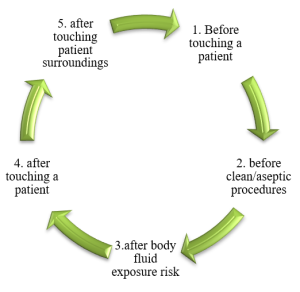
There are several general measures that can be implemented to control infection rates in the ICU. One of the measures is isolation. The need for isolation should be assessed by screening all ICU patients for immunological disorders, diarrhea, skin rashes, communicable diseases or presence of symptoms of an epidemic bacterium (Mehta et al., 2014). After the need for isolation is assessed, the type of isolation needed should be selected. Isolation can either be protective isolation for immunocompromised patients or source isolation for infected patients to control infection transmission to other patients and staff members. Healthcare professionals should also identify patients who are at a higher risk of nosocomial infections. In addition to isolation, healthcare professionals should always observe hand hygiene. Hands are the primary vehicle for the transmission of microorganisms and observing hand hygiene is the most effective way of preventing horizontal transmission of infections within the ICU (Mehta et al., 2014). In line with this realization, VCU should strictly adhere to WHO’s five moments for hand hygiene.

Figure 1: World Health Organization’s Five Moments for Hand Hygiene
 

Quality Improvement Initiative Proposal

In addition to strictly following the WHO five moments for hand hygiene, healthcare providers should wash their hands with soap and running water after they are visibly soiled with blood or other body fluids. They should also use an alcohol-based hand rub containing 0.5% chlorhexidine and 70% w/v ethanol when their hands are not visibly dirty (Mehta et al. 2014). Regardless of the patient’s status, healthcare professionals should always adhere to standard precautions every time they are in contact with patients in the ICU. Some of the Personal Protective Equipment (PPE) to consider includes sterile gloves, gowns, masks, eye protection equipment, face shields, shoe and head coverings and patient-care equipment. Transmission-based precautions should also be adhered to in addition to standard precautions.

Strategies to reduce ventilator-associated pneumonia (VAP)

  • Intubation should be avoided whenever necessary
  • Use noninvasive ventilation
  • Use oral intubations to nasal intubations
  • Patient’s head should be elevated at a 30-45-degree angle in a semi-recumbent body position
  • Chlorhexidine solution of 0.12% strength should be given orally everyday
  • Use endotracheal tubes with subglottic suction port
  • Periodic discharge of any condensate in the mechanical ventilator tubing should be regularly checked (Mehta et al. 2014)

Quality Improvement Initiative Proposal

Strategies to reduce Catheter-related bloodstream infection (CRBSI)

  • Catheter insertion should be done in the upper extremity
  • Before inserting the catheter, skin should be cleaned with more than 0.5% chlorhexidine preparation
  • Ultrasound-guided insertion should be used
  • Catheter insertion site should be monitored on a daily basis to check if a transparent dressing is present
  • Needless intravascular catheter access systems should be used
  • Injection ports should be cleaned with appropriate antiseptics (Mehta et al. 2014)

Strategies to reduce urinary tract infection (UTI)

  • Catheters should only be inserted for appropriate indications
  • Urinary catheter should be aseptically inserted
  • A closed drainage system should be maintained
  • Maintain unobstructed urine flow
  • Catheters that are no longer needed should be removed (Mehta et al. 2014)

Lastly, environmental factors like cleaning and disinfection should be maintained at all times. Patient-care areas should be cleaned and disinfected regularly. Some pathogens like methicillin-resistant Staphylococcus aureus (MRSA) can survive in the environment for longer periods of time. Therefore, EPA-registered disinfectants that are best suited to meet all the needs of the ICU should be used for cleaning and disinfection. The architecture and layout of the ICU should also be considered. The ICU should be situated close to the operating room and emergency department to allow for easy access at all times. Additionally, all air in the ICU should be filtered to approximately 99% efficiency (Mehta et al. 2014). The isolation facility should always have both negative and positive pressure ventilations. Space between beds should be kept and a minimum of 2.5 meters.

All the proposed quality improvement measures to reduce HAIs will not be successful unless the organization’s management offers its support. Therefore, the QI implementation team should work closely with the hospital’s management and lobby for a better patient to nurse ratio in the ICU. Likewise, policies for controlling traffic flow in the ICU should be implemented to reduce possible sources of contamination from staff members, equipment and visitors (Mehta et al 2014). Education and training should be offered to all ICU staff to help improve their knowledge on nosocomial infections. Antibiotic stewardship and vaccination of ICU healthcare personnel should be adhered to.

The aforementioned quality improvement strategies will only be effective if an interprofessional approach is taken. Therefore, the next stage of the proposal will integrate interprofessional perspectives to lead quality improvement in patients.

Interprofessional Perspectives to Support Quality Improvement

Patients have complex health needs and often require several disciplines to address their health issues. According to recommendations by the Institute of Medicine Committee on Quality of Health Care in America, all healthcare professionals should work in interprofessional teams to best address the complex needs of patients (Bridges et al. 2014). By working in teams, healthcare professionals are able to share expertise and unique perspectives to form a common goal of restoring health and improving patient outcomes. The success of interprofessional teams is based on several assumptions including; interprofessional team members see their roles as important to the team, all healthcare professionals’ value patient safety and work towards observing quality standards, there is open communication among team members, there is existence of autonomy and equality in resource sharing (Bridges et al. 2014).

Based on the assumption that interprofessional team members see their roles as important, the organization’s leadership should be at the forefront in infection control and prevention. Leadership plays an important role in the implementation of guideline recommendations and organizing for training and education activities (Hegarty et al. 2018). By demonstrating tangible support to teams, ensuring that resources are available to facilitate change and hiring healthcare practitioners, leadership facilitates quality improvement in the organization. In their role as facilitators, organization’s leaders guide the implementation of standards, strategic approaches and the principles of bottom-up working. In line with this, VCU leadership has a crucial role to play to reduce the rate of healthcare-associated infections in the facility. By contributing to infection prevention actions and by implementing guidelines, the hospital’s leadership facilitates the QI process. Leadership should also listen to workforce concerns, motivate and engage healthcare workers, acknowledge when staff members are stressed and overstretched, overcome challenges that HAIs prevention strategies face and promote collaboration across all disciplines (Hegarty et al., 2018).

Quality Improvement Initiative Proposal

Effective Communication Strategies to Promote Quality Improvement

Effective communication is crucial to the success of all quality improvement initiatives. In line with this assumption, VCU should design a communication strategy that engages every staff member in the ICU, promotes awareness and understanding of all the QI interventions proposed to reduce the rate of HCAIs in the ICU hospital (Cooper et al., 2015). Overall, systematic and structured communication strategies enhance quality improvement initiatives.

In line with the assumption that all healthcare providers value patient safety and strive to observe quality standards, healthcare workers as members of interprofessional teams have a crucial role to play in the reduction of HCAIs (Shah & Holmes, 2015). Understanding healthcare worker’s behavior is critical to develop effective behavior change interventions. Studies show that HCAIs are mainly caused by healthcare workers who are not compliant with IPC practices. This behavior is often attributed to a lack of effective communication, environmental circumstances, duties and social circumstances. To reduce non-compliance rates among ICU staff members, VNU should analyze the hierarchy of influence in traditional clinical roles that challenge work relationships. Additionally, the facility should prioritize risk appraisals to remove any and all divergence in values attached to its policies and practices (Shah & Holmes, 2015). Lastly, the facility should remove ambiguities surrounding healthcare workers’ duties and responsibilities.

Quality Improvement Initiative Proposal

Conclusion

For healthcare organizations like VCU Medical Center, maintaining quality is of the upmost importance. Thus, when there are quality-related issues like increased rates of HCAIs in the ICU department, the facility should immediately implement a quality improvement initiative that will address the safety issue and improve overall performance of the facility. Effective quality improvement initiatives should have interprofessional perspectives imbedded in them and effective communication strategies that ensure that communicate the QI goals and objectives to all the stakeholders involved. While QI initiatives are designed to control quality-related issues, they have little chance of success if the organization’s management does not support them.


References

Balch, B. (2019). Hospital Safety Report: Virginia Ranks Second Best in Nation: VCU, Southside Regional Lag with C Grade. Richmond Times-Dispatch. Retrieved from https://www.google.com/amp/s/www.richmond.com/hospital-safety-report-virginia-ranks-second-best-in-nation-vcu/article.amp.html

Bridges, D.R., Davidson, R.A., Odegard, P.S., Maki, I.V & Tomkowiak, J. (2014). Interprofessional Collaboration: Three Best Practice Models of Interprofessional Education. Medical Education Online, 16. Doi: 10.3402/meo.v16i0.6035

Cooper, A., Gray, J., Willson, A. et al (2015). Exploring the Role of Communications in Quality Improvement: A Case Study of the 1000 Lives Campaign in NHS Wales. Journal of Communication in Healthcare, 8(1), 76-84. Doi: 10.1179/1753807615Y.000000000000006

Damani, N. (2015). Healthcare-associated Infections in Intensive Care Units: Epidemiology and Infection Control in Low-to-middle Income Countries. J Infect Dev Ctries, 9(10), 1040-1045. Doi: 10.3855/jidc.6832

Haque, M., Sartelli, M., McKimm, J. & Bakar, M. (2018). Health Care-Associated Infections- an Overview. Infection and Drug Resistance, 11, 2321-2333. Doi: 10.2147/IDR.S177247

Hegarty, J., Murphy, S. et al. (2018). Leadership Perspectives on the Implementation of Guidelines on Healthcare-associated Infections. BMJ Leader, 3(2). Doi: 10.1136/leader-2018-000111

Mauger, B., Marbella, A., Pines, E., Chopra, R., Black, E.R & Aronson, N. (2014). Implementing Quality Improvement Strategies to Reduce Healthcare-associated Infections: A Systematic Review. American Journal of Infection Control, 42, S274-S283. Doi: 10.1016/j.ajic.2014.05.031

Mehta, Y., Gupta, A., Todi, S., Myatra, S.N. et al. (2014). Guidelines for Prevention of Hospital Acquired Infections. Indian Journal of Critical Care Medicine: Peer-reviewed, Official Publication of Indian Society of Critical Care Medicine, 18(3), 149-163. Doi: 10.4103/0972-5229.128705

Shah, N. & Holmes, A.H. (2015). Towards Changing Healthcare Workers’ Behavior: a Qualitative Study Exploring non-Compliance through Appraisals of Infection Prevention and Control Practices. Journal of Hospital infection, 90(2), 126-134. Doi: 10.1016/j.jhin.2015.01.023

VCUHealth. (2019). Our Story. Retrieved from https://www.vcuhealth.org/our-story/our-story

VCU Medical Center. (2018). 2013 Annual Report. Retrieved from https://annualreports.vcu.edu/archive/medical/2013/stories/safetyfirst.html

White, M., Butterworth, T. & Wells, J.S. (2017). Healthcare Quality Improvement and Work Engagement: Concluding Results from a National, Longitudinal, Cross-sectional Study of Productive Ward-Releasing Time to Care Programme, BMC Health Services Research, 17, 510. Doi: 10.1186/s12913-017-2446-2

 

Needs help with similar assignment?

We are available 24x7 to deliver the best services and assignment ready within 3-4 hours? Order a custom-written, plagiarism-free paper

Get Answer Over WhatsApp Order Paper Now

Quality Improvement Initiatives

Quality Improvement Initiatives

You have been asked to prepare and deliver an analysis of an existing quality improvement initiative at your workplace. The QI initiative you choose to analyze should be related to a specific disease, condition, or public health issue of personal or professional interest to you. The purpose of the report is to assess whether specific quality indicators point to improved patient safety, quality of care, cost and efficiency goals, and other desired metrics.

Your target audience consists of nurses and other health professionals with specializations or interest in your selected condition, disease, or issue. In your report, you will define the disease, analyze how the condition is managed, identify the core performance measurements used to treat or manage the condition, and evaluate the impact of the quality indicators on the health care facility:

Note: Remember, you can submit all, or a portion of, your draft to Smarthinking for feedback, before you submit the final version of your analysis for this assessment. However, be mindful of the turnaround time for receiving feedback, if you plan on using this free service.

The numbered points below correspond to grading criteria in the scoring guide. The bullets below each grading criterion further delineate tasks to fulfill the assessment requirements. Be sure that your Quality Improvement Initiative Evaluation addresses all of the content below. You may also want to read the scoring guide to better understand the performance levels that relate to each grading criterion.

  1. Analyze a current quality improvement initiative in a health care setting.
    • Evaluate a QI initiative and explain what prompted the implementation. Detail problems that were not addressed and any issues that arose from the initiative.
  2. Evaluate the success of a current quality improvement initiative through recognized benchmarks and outcome measures.
    • Analyze the benchmarks that were used to evaluate success. Detail what was the most successful, as well as what outcome measures are missing or could be added.
  3. Incorporate interprofessional perspectives related to initiative functionality and outcomes.
    • Integrate the perspectives of interprofessional team members involved in the initiative. Detail who you talked to, their professions, and the impact of their perspectives on your analysis.
  4. Recommend additional indicators and protocols to improve and expand quality outcomes of a quality initiative.
    • Recommend specific process or protocol changes as well as added technologies that would improve quality outcomes.
  5. Communicate evaluation and analysis in a professional and effective manner, writing content clearly and logically with correct use of grammar, punctuation, and spelling.
  6. Integrate relevant sources to support arguments, correctly formatting citations and references using current APA style.

Submission Requirements

  • Length of submission: A minimum of five but no more than seven double-spaced, typed pages.
  • Number of references: Cite a minimum of four sources (no older than seven years, unless seminal work) of scholarly peer reviewed or professional evidence that support your interpretation and analysis.
  • APA formatting: Resources and citations are formatted according to current APA style and formatting.


CONTEXT:

The purpose of the report is to assess whether specific quality indicators point to improved patient safety, quality of care, cost and efficiency goals, and other desired metrics. Nurses and other health professionals with specializations and/or interest in the condition, disease, or the selected issue are your target audience.


QUESTIONS TO CONSIDER:

As you prepare to complete this assessment, you may want to think about other related issues to deepen your understanding or broaden your viewpoint. You are encouraged to consider the questions below and discuss them with a fellow learner, a work associate, an interested friend, or a member of your professional community. Note that these questions are for your own development and exploration and do not need to be completed or submitted as part of your assessment.

Reflect upon data use in your organization as it relates to adverse events and near-miss incidents.

  • How does your organization manage and report on adverse events or near-miss incidents?
  • What data from your organization’s dashboards help inform adverse events and near-miss incidents?
  • What additional metrics or technology are you aware of that would help ensure patient safety?
  • What changes would you like to see implemented to help the interprofessional team better understand data use and data trends as quality and safety improvement tools?


SAMPLE ANSWER

Quality Improvement Initiative Evaluation

            A Quality Improvement (QI) program is a set of activities designed to monitor, analyze and improve the quality of procedures in healthcare facilities in order to improve health outcomes for all stakeholders involved. Despite their proliferation, QI initiatives take place in the background and are incorporated in the organization’s day-to-day activities (Abrampah et al. 2018). Often times, patients never realize that a QI program is in effect. QI initiatives are critical because they strive to improve outcomes for patients, maintain staff efficiency and reduce waste due to process failures. Effective QI programs have set targets that focus on improving safety, effectiveness, access and are patient-centered (Abrampah et al. 2018). Additionally, effective QI programs always align their priorities with the organization’s strategic plan and provide detailed key performance indicators to track progress towards goal achievement.

In line with its goal of improving operations and reducing wastage, Bethany health center initiated the “no to tubes” program focused on reducing the use of catheters in the facility. After conducting an annual audit of the facility’s operations, the health center realized that catheters were being given to patients who did not need them. More alarming than that was the fact that these catheters were being left in for longer periods of time. In line with this realization, the facility developed the “no to tubes” program with the aim of reducing the increasing number of catheter-associated urinary tract infections (CAUTI) caused by catheters that are left in for too long. In addition, the QI program aimed at reducing resource wastage and improving overall operations at the facility. Using the “no to tubes” QI program as an example, the report will assess how specific quality indicators improve patient outcomes, reduce costs and improve organizational efficiency.

Analysis of the Quality Improvement Initiative

The “no to tubes” QI initiative was designed to reduce the occurrence of CAUTI at

Bethany Health Center. Over the following couple of months, the facility implemented a new system of nursing documentation and clinician orders. The nursing documentation system ensured that the patients who needed catheters received them and when the time came for them to be removed, the system would send alerts to nurses prompting them to remove the catheters. The initiative successfully reduced CAUTI rates in the facility from 3.2 per month to less than 1 per month. In addition to implementing the nursing documentation system, the nurses carried out regular and systemic check-ins. The check-ins further reduced infection rates and improved overall quality of care. To further reduce infection rates at the facility, the “no to tubes” initiative implemented an electronic health record catheter identification system, interdisciplinary training was also conducted and clinician education heightened. Measuring the rate of CAUTI is challenging and resource intensive. To mitigate the challenges, Bethany Health Center implemented an electronic CAUTI surveillance system. The system monitored the presence of urinary catheters and fever in patients and used natural language processing (NLP) to include subjective symptoms which were documented in clinical notes (Sanger et al. 2017).

Quality Improvement Initiatives

To evaluate the “no to tubes” initiative, the analysis will use benchmarks and outcome measures.

Evaluation of the QI Initiative through Recognized Benchmarks and Outcome Measures

Quality of healthcare initiatives is usually assessed by using processes and outcome measures. Measuring outcomes of QI initiatives facilitates the decision-making process and improves public accountability (Kampstra et al. 2018). The key feature of benchmarking is to integrate with comprehensive quality improvement policies. Additionally, benchmarking involves measuring results and comparing them to set standards to evaluate organizational performance. There are two key benchmarking activities that Bethany Health Center employed to measure the results of the “no to tubes” initiative. They include: internal benchmarking which identifies best practices in the organization and compares them to the current initiative; external or competitive benchmarking that involves the use of comparative data between healthcare facilities to gauge performance of the initiative and identify areas for improvement (Lovaglio, 2014). Patient quality has always been at the forefront of all the activities at Bethany Health Center. It is with this goal in mind that the facility has successfully implemented previous QI initiatives and used them to benchmark the “no to tubes” initiative.

Outcome measures are changes in the health of individuals, groups of people or populations that are attributed to interventions or series of interventions by the healthcare facility. Effectiveness of care outcome measures evaluate compliance with the best care practices and analyzes achieved outcomes (Kampstra et al. 2018). After implementing the nursing documentation system and the CAUTI surveillance system, Bethany Health Center experienced reduced rates of CAUTIs. Additionally, patient-reported outcome measures (PROMs) were used to measure patient experiences. The patient’s experiences and their perceptions about the care they received at the facility were analyzed. The results showed that patients were generally satisfied with the “no to tubes” initiative and the care they received from healthcare professionals at the facility.

Quality Improvement Initiatives

Interprofessional Perspective on Initiative Functionality and Outcomes

Interprofessional collaboration occurs when healthcare workers from different professional backgrounds unite and work together with patients, their families and the community to deliver high quality care (Garth et al. 2018). Interprofessional teamwork is a core clinical skill that identifies the benefits of collaboration to address the unmet needs of healthcare systems. With the goal of integrating quality improvement and maintaining patient safety efforts with graduate medical education, Scottsdale Healthcare facility participated in the Alliance of Independent Academic Medical Centers (AIAMC) National Initiative IV between 2013 and 2015. The AIAMC implemented several initiatives to reduce unnecessary use of urinary catheters in hospitals. The initiative focused on a multidisciplinary medical education conference that centered on CAUTI prevention (Bell, Alaestante & Finch, 2016). In addition, the facility embarked on the emergency department initiative that saw emergency department nurses and physicians receive intensive education on the reduction of urinary catheter use. Patient tracking was also involved in the initiative and the patients who had urinary catheters were tracked and the information uploaded in the nursing staff daily management system. The results of the initiative show that by incorporating all the stakeholders, Scottsdale Healthcare facility saw a dramatic decrease in urinary catheter insertions and an overall decline in CAUTI cases (Bell, Alaestante & Finch, 2016). The study results further prove that interdisciplinary interaction and collaboration in healthcare further improve patient outcomes and reduce the spread of infections.

ORDER A PLAGIARISM FREE PAPER HERE

The “no to tubes” initiative would benefit from analyzing staff perspectives towards CAUTI. According to an analysis carried out by Niederhauser at colleagues (2018), there are significant changes in staff perceptions after the implementation of evidence-based interventions. Efforts should therefore be directed towards sustaining the changes so that the intervention implemented becomes an integral part of the organization’s culture. To maintain this culture, staff knowledge about the intervention, their perception of current practices, self-reported responsibility and behavior determinants should be regularly assessed (Niederhauser et al. 2018). To further strengthen the “no to tubes” initiative and obtain the best results, Bethany Health Center should implement a multimodal bundle of interventions that incorporates an evidence-based intervention, daily re-evaluation of catheter use, training and education of all healthcare providers.

Additional Indicators and Protocols to Improve Quality Outcomes

By introducing a nursing documentation system and an electronic health record catheter identification system and encouraging a culture of interdisciplinary training and education, Bethany Health Center has successfully reduced the rate of CAUTI infections and has improved overall quality of care offered to patients. While both the internal and external benchmarking tools have been used to gauge success of the “no to tubes” initiative, additional indicators of quality can improve quality outcomes. The goal of healthcare systems is to improve the quality of care they offer to patients. Successful quality improvement might be challenging. However, by implementing key essentials of success quality improvement can be maintained.

Quality Improvement Initiatives

The first requirements is that health facilities should have a culture of adaptive leadership and governance. Individuals within the health system should have the aptitude to make continuous improvements. Likewise, staff members should be dedicated to the organization and its goals. However, individual efforts are not enough to sustain quality (Tinker & Hough, 2016). There needs to be senior leadership support, an adaptive learning culture and data-driven initiatives for quality improvement. Analytics is a crucial ingredient used to sustain quality in the quality improvement lifecycle. Analytics is incorporated into baseline measurements, problem descriptions and system implementation processes. Analytics should never be mistaken for measurements. The third and critical essential to improve quality is the adoption of evidence and consensus-based best practices. Evidence-based practices are the foundation upon which best practices that improve quality are built (Tinker & Hough, 2016). While the aforementioned practices are designed to improve quality, they will not be successful unless resources are dedicated to implement outcome initiatives. Bethany Health Center should set aside resources towards performance evaluation practices and organizational incentives.

The Lean Six Sigma model is a combined toolkit that provides a systemic approach to help organizations improve their problem-solving skills. The model is based on a scientific method that supports organizations that are looking to improve their problem-solving culture (Lighter, 2014). By adopting the Lean Six Sigma model, Bethany Health center will be able to streamline the “no to tubes” initiative results and improve patient satisfaction levels. Additionally, the model will help the facility engage staff members, improve staff morale and standardize processes. The model will also help the facility better understand the current state of affairs and remove barriers to success. The model focuses on eliminating defects, improving patient safety and maintaining quality. By using the Define-Measure-Analyze-Improve-Control five-step process improvement structure, the Lean Six Sigma model improves patient experiences and makes sure processes consistently deliver desired results (Lighter, 2014).

Quality Improvement Initiatives

Conclusion

Despite their importance and proliferation, quality improvement initiatives often go on in the background and are integrated into the day-to-day operations of healthcare facilities. Quality improvement initiatives are the primary means for improving operations and maintaining high quality care. QI initiatives like the “no to tubes” initiative designed to reduce the rate of CAUTIs set targets aimed at improving patient safety, access to care and guarantee delivery of effective and patient-centered care. To ensure success of QI initiatives, healthcare facilities must evaluate their effectives by using recognized internal and external benchmarks and outcome measures. To reduce the risk of failure, QI initiative must incorporate interprofessional perspectives and set protocols and indicators that are relevant to the implemented QI initiative. Lastly, evidence-based models like the Lean Six Sigma model will help healthcare facilities eliminate defects and maintain staff morale.


References

Abrampah, N.M. et al. (2018). Quality Improvement and Emerging Global Health Priorities. International Journal for Quality in Health Care, 30(suppl 1), 5-9. Doi: 10.1093/intqhc/mzy007

Bell, M.M., Alaestante, G. & Finch, C. (2016). A Multidisciplinary Intervention to Prevent Catheter-Associated Urinary Tract Infections using Education, Continuum of Care and System wide Buy-in.  The Ochsner Journal, 16(1), 96-100. Retrieved from https://www.ncbi.nlm.nih.gov/pmc/articles/PMC4795513/

Garth, M., Millet, A., Shearer, E. et al. (2018). Interprofessional Collaboration: A Qualitative Study of Non-Physician Perspectives on Resident competency. Journal of General Internal Medicine, 33(4), 487-492. Doi: 10.1007/s11606-017-4238-0

Kampstra, N.A. et al. (2018). Health Outcomes Measurement and Organizational Readiness Support Quality Improvement: A Systematic Review. BMC Health Services Research, 18(1005). Doi: 10.1186/s12913-018-3828-9

Lovaglio, P.G. (2014). Benchmarking Strategies for Measuring the Quality of Healthcare: Problems and Prospects. The Scientific World Journal Volume, 13. Doi: 10.1100/2012/606154

Lighter, D.E. (2014). The Application of Lean Six Sigma to Provide High-Quality, Reliable Pediatric Care. International Journal of Pediatrics and Adolescent Medicine, 1(1), 8-10. Doi: 10.1016/j.ijpam.2014.09.009

Niederhauser, A., Zuillig, S., Marschall, J. et al. (2018). Change in Staff Perspectives on indwelling Urinary Catheter use after Implementation of an Intervention Bundle in Seven Swiss Acute Care Hospitals: Results of a before/after Survey Study. BMJ Open, 9(10). Doi: 10.1136/bmjopen-2018-028740

Sanger, P.C., Granich, M. et al. (2017). Electronic Surveillance for Catheter-Associated Urinary Tract Infection Using Natural Language Processing. AMIA Annual Symposium Proceedings, 1507-1516. Retrieved from https://www.ncbi.nlm.nih.gov/pmc/articles/PMC5977673/

Tinker, A. & Hough, L. (2016). The Top Five Essentials for Outcomes Improvement. Health Catalyst. Retrieved from https://www.healthcatalyst.com/outcomes-improvement-five-essentials

Needs help with similar assignment?

We are available 24x7 to deliver the best services and assignment ready within 3-4 hours? Order a custom-written, plagiarism-free paper

Get Answer Over WhatsApp Order Paper Now

Adverse Event or Near Miss Analysis

Adverse Event or Near Miss Analysis

Prepare a comprehensive analysis on an adverse event or near-miss from your professional nursing experience that you or a peer experienced. Integrate research and data on the event and use as a basis to propose a Quality Improvement (QI) initiative in your current organization.

Note: Remember, you can submit all, or a portion of, your draft to Smarthinking for feedback, before you submit the final version of your analysis for this assessment. However, be mindful of the turnaround time for receiving feedback, if you plan on using this free service.

The numbered points below correspond to grading criteria in the scoring guide. The bullets below each grading criterion further delineate tasks to fulfill the assessment requirements. Be sure that your Adverse Event or Near-miss Analysis addresses all of the content below. You may also want to read the scoring guide to better understand the performance levels that relate to each grading criterion.

  1. Analyze the missed steps or protocol deviations related to an adverse event or near miss.
    • Describe how the event resulted from a patient’s medical management rather than from the underlying condition.
    • Identify and evaluate the missed steps or protocol deviations that led to the event.
    • Discuss the extent to which the incident was preventable.
    • Research the impact of the same type of adverse event or near miss in other facilities.
  2. Analyze the implications of the adverse event or near miss for all stakeholders.
    • Evaluate both short-term and long-term effects on the stakeholders (patient, family, interprofessional team, facility, community). Analyze how it was managed and who was involved.
    • Analyze the responsibilities and actions of the interprofessional team. Explain what measures should have been taken and identify the responsible parties or roles.
    • Describe any change to process or protocol implemented after the incident.
  3. Evaluate quality improvement technologies related to the event that are required to reduce risk and increase patient safety.
    • Analyze the quality improvement technologies that were put in place to increase patient safety and prevent a repeat of similar events.
    • Determine whether the technologies are being utilized appropriately.
    • Explore how other institutions integrated solutions to prevent these types of events.
  4. Incorporate relevant metrics of the adverse event or near miss incident to support need for improvement.
    • Identify the salient data that is associated with the adverse event or near miss that is generated from the facility’s dashboard. (By dashboard, we mean the data that is generated from the information technology platform that provides integrated operational, financial, clinical, and patient safety data for health care management.)
    • Analyze what the relevant metrics show.
    • Explain research or data related to the adverse event or near miss that is available outside of your institution. Compare internal data to external data.
  5. Outline a quality improvement initiative to prevent a future adverse event or near miss.
    • Explain how the process or protocol is now managed and monitored in your facility.
    • Evaluate how other institutions addressed similar incidents or events.
    • Analyze QI initiatives developed to prevent similar incidents, and explain why they are successful. Provide evidence of their success.
    • Propose solutions for your selected institution that can be implemented to prevent future adverse events or near-miss incidents.
  6. Communicate analysis and proposed initiative in a professional and effective manner, writing content clearly and logically with correct use of grammar, punctuation, and spelling.
  7. Integrate relevant sources to support arguments, correctly formatting citations and references using current APA style.

Submission Requirements

  • Length of submission: A minimum of five but no more than seven double-spaced, typed pages.
  • Number of references: Cite a minimum of three sources (no older than seven years, unless seminal work) of scholarly or professional evidence that support your evaluation, recommendations, and plans.
  • APA formatting: Resources and citations are formatted according to current APA style and formatting.


CONTEXT:

The purpose of the report is to assess whether specific quality indicators point to improved patient safety, quality of care, cost and efficiency goals, and other desired metrics. Nurses and other health professionals with specializations and/or interest in the condition, disease, or the selected issue are your target audience.

Adverse Event or Near Miss Analysis

QUESTIONS TO CONSIDER:

As you prepare to complete this assessment, you may want to think about other related issues to deepen your understanding or broaden your viewpoint. You are encouraged to consider the questions below and discuss them with a fellow learner, a work associate, an interested friend, or a member of your professional community. Note that these questions are for your own development and exploration and do not need to be completed or submitted as part of your assessment.

Reflect on quality improvement (QI) initiatives in your workplace:

  • What makes a QI initiative a success? What elements must be incorporated?
  • What opportunities are there for interprofessional collaboration on a QI initiative in your workplace?
  • Proficiency in interpretation of data is critical to understanding and communicating QI outcome measures. What can be done to improve data literacy across interprofessional teams?


SAMPLE ANSWER

Adverse Event or Near Miss Analysis

Introduction

Adverse events are defined as injuries resulting in unnecessary and prolonged hospitalization, disability or even death as a result of healthcare mismanagement. On the other hand, a near miss is a serious error that could potentially result in an adverse event, but fails to do so due to an intervention or by chance (Rafter et al., 2015). These events have a significant impact on patients and result in increased healthcare costs attributed to longer stays in the hospital. Preventable medical errors are not limited to lower quality healthcare facilities; excellent facilities also experience undesirable events. What differentiates high quality facilities from low quality facilities is the way they respond to adverse events to significantly reduce the risk of the event reoccurring. Research shows that approximately 10% of patients will experience preventable harm during their stay in a medical facility. Over the years, health systems and governments have invested heavily in quality improvement systems to reduce harm to patients (Harrison et al., 2019). Additionally, incident reporting and analysis of adverse and near miss events plays a critical role in reducing and preventing reoccurrence.

Adverse Event or Near Miss Analysis

As a nurse who offers care to elderly patients over 70 years old, there are several adverse events that affect patient care and result in harm. Falls are a devastating and common complication in healthcare facilities particularly for older patients. Statistics shows that between 700,000 to 1 million hospitalized patients fall every year. A large percentage of patients who fall are in long-term care facilities (U.S Department of Health and Human Services, 2019). Furthermore, one-third of falls result in serious injuries including fractures, head traumas or even death. In line with this, the analysis will integrate research and data on falls, provide a real-life example in practice and recommend effective strategies to mitigate and prevent reoccurrence of falls in the healthcare facility.

The Adverse Event

The facility recently received a supply of modern mobility devices in form of walkers and canes. Among the elderly patients to benefit from the mobility devices was a 70-year old grandmother of four. All the beneficiaries of the devices received comprehensive training on how to use the walking aids. Additionally, the devices were fitted by professionals and every patient was assigned either a walker or a cane depending on the results of the professional assessment completed. The 70-year old grandmother was allocated a walker which was fitted to her unique needs taking into consideration the fact that she recently had a major hip surgery and required assistance to move around. However, during a shift change, there was poor communication between nurses and as a result, the patient was given a cane instead. The patient within a few minutes of using the cane, fell and broke her hip and pelvis. She was immediately rushed to the emergency room.

Analysis of Missed Steps Related to the Adverse Event

Research shows that over 47,000 emergency room visits for falls are related to the use of canes and walkers in individuals over 65 years old. Generally, older people using walking aids are at a higher risk of falling than those who do not use walking aids. This is attributed to spatiotemporal gait pattern, age and psychotropic drug intake. Therefore, extensive training and the use of appropriate walking aids greatly reduces occurrence of falls (de Mettelinge& Dirk, 2015). In addition to the high-risk factors associated with elderly falls, nurse errors played a critical role in the 70-year old grandmother’s fall-related injuries.

Adverse Event or Near Miss Analysis

Clinical handovers occur in clinical settings between shifts. During these processes, professional responsibility over a patient is transferred from one healthcare professional to another, either on a temporary basis or permanently (Manias et al., 2015). The transfer of essential information is an integral part of communication in the healthcare setting. Ineffective handoffs such as the one experienced in the facility result in breaches in patient safety, which ultimately results in serious harm. There was a communication breakdown during the clinical handoff of the patient resulting in them receiving a cane rather than a walker. Since the mobility devices were new in the facility, there was little to no information about their use. Apart from the training given to patients by professionals, nurses were never trained on the appropriate use of these devices. Ineffective patient handoff and lack of staff training resulted in the patient’s fall and required emergency care.

ORDER A PLAGIARISM FREE PAPER HERE

While mobility devices have been known to reduce falls, other studies have questioned their efficacy. These studies claim that individuals who use mobility devices like canes or walkers may already have a predisposition to falls. Therefore, the number of falls that have been prevented by mobility devices cannot be correctly determined (Gell et al. 2016).

Implications of the Adverse Event for all Stakeholders

Patient safety as a healthcare discipline aims to prevent and reduce healthcare risks that occur to patients in healthcare facilities. Adverse events have a negative effect on patient safety and the quality of care they receive. When these events occur, patients are the most affected.Patient families are also affected when adverse events occur. In addition to patients and their families, healthcare facilities, care givers and the community experience both short and long-term effects of adverse events.When patients visit a healthcare facility, they generally expect that the care they receive will have a positive impact on their health and not worsen it (Schwendimann et al.,2018). To analyze the effect of adverse events on patients, their families, the healthcare facility and the community in general, several assumptions are made; stakeholders have a critical role to play in ensuring quality care is provided. The organization’s culture affects quality of care offered to patients and effective communication between care givers reduces the occurrence of adverse events.

The first victims of adverse events are patients and their families. When medical errors occur, patients risk experiencing life-changing events including; disability, extended hospital stays, physical harm or even death. Additionally, patients and their families experience psychological harm brought about by grief and avoidable patient suffering. Disability and death also result in economic stress on family members and caregivers (Holden & Card, 2019).

Healthcare professionals experience emotional distress following adverse events. Referred to as the second victims, healthcare professionals experience feelings of guilt, shame, fear, anger, disappointment and doubt when the patients they are caring for experience adverse events. Studies show that these feelings are long lasting and affect their future interactions with patients. Additionally, physicians report loss of self-confidence, increased anxiety about future errors and reduced job satisfaction (Ullstrom et al. 2014)

Evaluation of Quality Improvement Technologies

Communication patterns during shift transfers are ambiguous, problematic and non-standardized, thus contributing to increased patient harm. Attention should be focused on improving communication during patient handover. The use of standardized communication aids like the situation, background, assessment, recommendation (SBAR) tool improve communication between health care professionals (Gobel et al., 2014). When caregivers communicate with SBAR forms, two cue types of communication should be evaluated. They include; patient-situation cues that convey patient’s situation and background cues that convey specific data about the patient’s situation. Successful use of SBAR involves effective use of both cues without any data omissions (Gobel et al. 2014). Other communication devices like iSoBar checklist and TeamStepps team training tool significantly improve patient handover procedures and effectiveness. iSoBar handover forms are comprehensive and they reduce the number of clinical handover forms and prevent duplication of paperwork. They are easy to integrate into existing processes in the facility thus are well suited to local conditions.Likewise, the use of digital patient files and checklists in daily practice significantly reduce handover errors and incidences of miss-communication (Gobel et al., 2014).

Adverse Event or Near Miss Analysis

Healthcare facilities are increasingly using health information technology (HIT) to identify and prevent the occurrence of adverse events. Health information technology facilitates communication between healthcare providers, improves tracking and reporting of events and promotes quality of care by optimizing access to care and adhering to guidelines. HIT improves patient safety through the use of clinical flags, reminders and medication alerts (CommitteeOpinion, 2015).HITs can be evaluated by using a synthesis framework that analyses the rate of falls before and after its implementation. Success will be determined by the rate of reduced falls in the facility. Technology-based interventionsdetect falls as soon as they occur and alert clinicians. Technology also allows older adults to self-assess for assistive equipment provision (Hamm, Money, Atwal & Paraskevopoulos, 2016). Health information technology (HIT) improves patient care through the use of effective frameworks and metrics.

Relevant Metrics of the Adverse Event

The data on fall-related injuries will be obtained from electronic medical records used by clinicians to monitor patient’s treatments. Additionally, data will be retrieved from the patients’ electronic health records. Organizational departments including the administrative and finance department will provide supplemental data. Numerical data will be obtained from patient surveys that capture self-reported information from the elderly patients about their healthcare experiences. Additionally, patient numerical data will be obtained from the facility’s Minimum Data Set (MDS) and the Outcome and Assessment Information Set (OASIS). Three KPIs will be analyzed including; outcome, process and structural metrics. To maintain patient safety, the healthcare facility must use meaningful metrics. Effective frameworks are based on two main metrics: one that identifies measures and eliminates errors and the other that identifies measures and eliminates injuries (“Measurement of Patient Safety”, 2019). The data obtained from these metrics can be used to inform improvement efforts, enhance transparency and maintain organizational accreditation.

To prevent future falls, the facility should invest in safety measurement strategies. Among the most effective safety measurement strategies is the retrospective chart review which contains detailed clinical information. Voluntary reporting error systems are tools used for internal quality improvement and highlighting adverse events. Automated surveillance is a helpful tool used to screen patients who are at a higher risk of experiencing adverse eventssuch as falls.

AHRQ patient safety indicators are useful for tracking adverse events over a long period of time and across large groups of people. Lastly, the facility should rely on patient reports to capture communication errors between healthcare providers and other errors that are not easily recognized (“Measurement of Patient Safety”, 2019). While the aforementioned patient safety improvement frameworks will assist the facility reduce fall rates and improve patient handoff practices, there needs to be a quality improvement initiative to prevent future occurrence of the adverse event.

Quality Improvement Initiative to Prevent Future Adverse Event

Quality improvement (QI) is a formal approach designed to analyze practice performance and the efforts directed towards improving it. QI models present a formal framework for establishing quality processes in healthcare facilities. Among the common QI models is the model for improvement referred to as the plan-do-study-act (PDSA) cycle. This model combines the total quality management model and the rapid cycle improvement model (AHRQ, 2015). The “plan” stage requires the healthcare facility to write a concise statement of what it plans to test and what steps it will follow to execute the plan. The “do” stage requires the facility to execute the plan it established during the plan stage. After implementation, the facility should study the results to determine if the interventions implemented are successful. Lastly, the “act” stage requires the facility to analyze the overall outcomes of interventions to determine future implications (AHRQ, 2015).

Quality improvement initiatives designed to affect favorable change can use the PDSA model. The model is the most favorable model as it establishes a causal relationship between changes, behaviors and outcomes. In line with the proposed steps-, the facility should start with determining the scope of fall rates, what changes should be made, who should be involved, what KPIs should be measured and where the QI strategy will be targeted. To reduce fall rates in the facility, a multi-component quality improvement program that involves clinician education and prevention of falls should be implemented. There are several reasons that result in elderly falls. As such, educating nurses, clinicians and physiotherapists on adherence to protocols and general safety practices including proper use of walking aids will help prevent future falls. To further improve process outcomes, bi-annual training activities should be conducted especially before new devices like walking aids are introduced. Additionally, improving communication between nurses during patient handover and conducting comprehensive assessments will prevent future occurrence of preventable medical errors. The QI program designed should prompt primary care givers to implement interventions like referrals to other community resources and screening programs for patients with a high fall risk (Ganz et al. 2016). The screening programs should analyze predisposing factors like the use of medication such as anxiety and antipsychotic drugs and patients’ age. Likewise, the facility should incorporate the CDC STEADI (Stopping Elderly Accidents, Deaths and Injuries) initiative consisting of three core elements: Screen, assess, intervene. STEADI’s main goal is to reduce the risk of elderly falls by offering tailored interventions

Adverse Event or Near Miss Analysis

Measuring performance is essential to improving quality of healthcare. Effective QIs make use of available patient data. The PDSA model, when used in conjunction with health information technologies, will reduce the probability of future falls and improve communication between nurses, physicians and patients in the facility.


Conclusion

Man is to error. Healthcare providers are also human beings and therefore, at times, they make mistakeswhen administering care to their patients. Adverse events are very common in healthcare settings. As explained in the real-life scenario provided, elderly falls often result in life-threatening injuries. A majority of these falls are caused by inappropriate use of mobility devices. Poor communication practices between nurses during patient handovers also result in adverse events. However, by applying health information technologies and QI models, these errors can be controlled and prevented.


References

Committee Opinion. (2015). Patient safety and health information technology. The American College of Obstetricians and Gynecologists. Retrieved from https://m.acog.org/clinical-guidance-and-pub;ications/committee-opinions/

Gobel, B., Zwart, D., Hesselink, G. et al. (2014). Stakeholder perspectives on handovers between hospital staff and general practitioners: An evaluation through the microsystems lens. BMJ Quality & Safety, 1, 106-13. Doi:10.1136/bmjqs-2012-001192

Ganz, D.A. et al. (2016). The Effect of a Falls Quality Improvement Program on Serious Fall-related Injuries. Journal of the American Geriatrics Society, 63(1), 63-70. Doi: 10.1111/jgs.13154

Gell, N.M., Wallace, R.B. et al. (2016). Mobility Device Use Among Older Adults and Incidence of Falls and Worry About Falling: Findings from the 2011-2012 National Health and Aging Trends Study. Journal of the American Geriatrics Society, 63(5), 853-859. Doi: 10.1111/jgs.13393

Harrison, R., Sharma, A., Walton, M. et al. (2019). Responding to adverse patient safety events in Viet Nam. BMC Health Services Research, 19(677). Doi:10.1186/s12913-019-4518-y

Hamm, J., Money, A.G., Atwal, A. & Paraskevopoulos, I. (2016). Fall prevention intervention technologies: A conceptual framework and survey of the state of the art. Journal of Biomedical Informatics, 59, 319-345. Doi: 10.1016/j.jbi.2015.12.013th

“Health Literacy Universal Precautions Toolkit, 2nd Edition”. (2015). Agency for Healthcare Research and Quality. Retrieved from https://www.ahrq.gov/health-literacy/quality-resources/tools/literacy-toolkit/healthlittoolkit2-tool2b.html

Holden, J. & Card, A.J. (2019). Patient Safety Professionals as the Third Victims of Adverse Events. ResearchGate, 1-28. Doi: 10.1177/2516043519850914

De Mettelinge, R. & Dirk, C. (2015). Understanding the Relationship Between Walking Aids and Falls in Older Adults. Journal of Geriatric Physical Therapy, 38(3), 127-132. Doi: 10.1519/JPT.000000000000000000031

Manias, E., Geddes, F., Watson, B., Jones, D. & Della, P. (2015). Communication Failures During Clinical Handovers Lead to a Poor Patient Outcome: Lessons from a Case Report. Sage Open Medical Case Reports, 3. Doi: 10.1177/2050313X15584859

“Measurement of Patient Safety”. (2019). Agency for Healthcare Research and Quality, U.S Department of Health and Human Services, Retrieved from psnet.ahrq.gov/primer/measurement-patient-safety

Rafter, N., Hickey, A., Condell, S., Conroy, R., O’Connor, P., Vaughan, D. & Williams, D. (2015). Adverse Events in Healthcare: Learning from Mistakes. QMJ Monthly Journal of the Association of Physiciana, 108(4), 272-277. Doi: 10.1093/qjmed/hcu145.

Schwendimann, R. et al. (2018). The Occurrence, Types, Consequences and Preventability of in-Hospital Adverse Events- a Scoping Review. BMC Health Services Research, 18(521)

U.S. Department of Health and Human Services. Agency for Healthcare Research and Quality (AHRQ) (2019). Falls. Retrieved from https://psnet.ahrq.gov/primer/falls

Ullstrom, S., Sachs, M.A., Hansson, J., Ovretveit, J. &Brommels, M. (2014). Suffering in Silence: A Qualitative Study of Second Victims of Adverse Events. BMJ Quality & Safety, 23(4). http://dx.doi.org/10.1136/bmjqs-2013-002035


Needs help with similar assignment?

We are available 24x7 to deliver the best services and assignment ready within 3-4 hours? Order a custom-written, plagiarism-free paper

Get Answer Over WhatsApp Order Paper Now

Strategic goal statements and outcomes

Strategic goal statements and outcomes

Note: You will use your care setting environmental analysis as the basis for developing your strategic plan in this assessment.

Preparation

The feedback you received on your care setting environmental analysis has been positive. Consequently, you have been asked to select one of the potential improvement projects you noted in your analysis and create a full, 5–10-year strategic plan to achieve the desired quality and safety improvement outcomes. You will develop your strategic plan, using either an AI approach (addressing the design stage), or by building on your SWOT analysis and applying a strategic planning model of your choice.

How you structure your plan should be based on whether you are taking an appreciative inquiry approach or using a specific strategic planning model. Regardless of the approach you choose, the requester of the plan has asked that you address the key points outlined below in the strategic plan requirements. In addition, your plan should be 5–8 pages in length.

Note: Remember, you can submit all, or a portion, of your draft plan to Smarthinking for feedback before you submit the final version for this assessment. However, be mindful of the turnaround time for receiving feedback, if you plan on using this free service.

Strategic goal statements and outcomes

Requirements

Note: The requirements outlined below correspond to the grading criteria in the scoring guide, so at a minimum, be sure to address each point. In addition, you are encouraged to review the performance level descriptions for each criterion to see how your work will be assessed.

Writing, Supporting Evidence, and APA Style
  • Write clearly, with professionalism and respect for stakeholders and colleagues.
  • Integrate relevant sources of evidence to support your assertions.
    • Cite at least 3–5 sources of scholarly or professional evidence.
  • Format your document using APA style. An APA Style Paper Template and associated tutorial, linked in the Resources, are provided for your use. Be sure to include:
    • A title page and reference page. An abstract is not required.
    • A running head on all pages.
    • Appropriate section headings.
    • Properly formatted citations and references.
  • Proofread your writing to minimize errors that could distract readers and make it more difficult to focus on the substance of your analysis.

Strategic Plan

  • Develop strategic goal statements and outcomes that reflect specific quality and safety improvements for your care setting. You should have at least one short-term goal (just-in-time to one year) and one long-term goal (five years or longer).
    • Determine realistic timelines for achieving your goals.
    • Explain how your short-term goals support your long-term goals.

Note: For plans based on an AI approach, the goal statements and outcomes are provocative propositions that may be refinements of the positive, yet attainable, goals that you proposed during the dream phase of your inquiry. For plans based on a SWOT analysis, the goal statements and outcomes are specific, measurable, and applicable to the area of concern in your analysis for which you proposed pursuing improvements.

Strategic goal statements and outcomes

  • Justify the relevance of your proposed strategic goals and outcomes in relation to the mission, vision, and values of your care setting.
  • Analyze the extent to which your strategic goals and outcomes, and your approach to achieving them, address:
    • The ethical environment.
    • The cultural environment.
    • The use of technology.
    • Applicable health care policies, laws, and regulations.
  • Explain, in general, how you will use relevant leadership and health care theories to help achieve your proposed strategic goals and outcomes.
    • Consider whether different theories are more applicable to the short-term or long-term goals of your strategic plan.
  • Evaluate the leadership qualities and skills that are most important to successfully implementing your proposed plan and sustaining strategic direction.
    • Identify those leadership qualities and skills that are essential to achieving your goals and outcomes and sustaining strategic direction.
    • Identify those leadership qualities and skills that will have the greatest effect on the success of your plan.

QUESTIONS TO CONSIDER:

As you prepare to complete this assessment, you may want to think about other related issues to deepen your understanding or broaden your viewpoint. You are encouraged to consider the questions below and discuss them with a fellow learner, a work associate, an interested friend, or a member of your professional community. Note that these questions are for your own development and exploration and do not need to be completed or submitted as part of your assessment.

Strategic planning models aid in setting goals, establishing time frames, and forging a path toward achieving those goals. Consider the strategic planning models you are familiar with:

  • Which model would you choose to create goals and outcomes that could address the area of concern you identified in your Assessment 1 SWOT analysis?
  • Why is this model the best choice among alternatives?
  • How does goal setting through appreciative inquiry provocative propositions differ from goal setting in the strategic planning model you selected?


SAMPLE ANSWER

Strategic Planning

Introduction

Selection of an ideal strategic plan involves establishing attributes that define its contribution to solving a target crisis. In this case, the objective of the strategic plan is to improve quality of healthcare and advance safety prospects in a healthcare institution. As a result, the input of the selected strategic plan comprises of the potential possibility of enhancing service delivery while ensuring the protection of interests shared by parties involved. According to Wolf and Floyd (2017), a strategic plan should focus on aspects such as operation depth, resource availability, and ease of policy implementation. Hence, deciding on an ideal strategic plan involves evaluating the demand for resources and the practicability of attached ambitions. Most healthcare organizations would further reflect on the nature of support associated with the model while aligning expectations on the performance perspectives and input of validated service models.

Developing Strategic Goal Statements and Outcomes

Deciding on a strategic plan involves appreciating depth of developed deliverables concerning the expectation and execution of the project. Perspectives such as identification of areas of need, formulation of implementation plan, and subsequent appraisal of enforcement mechanism would allow attainment of established execution period (Noble & Nwanekezie, 2017). However, impression of the strategic plan extends beyond expectations of performance to include further perspectives such as formulating anticipated outcomes through the input of appraisal mechanisms.

Strategic goal statements and outcomes

The main strategic goal of the strategic plan is to improve quality of healthcare and advance safety prospects in a healthcare institution. The plan would involve appreciating depth of concerns in regards to implementation of operational tactics and subsequent improvement of healthcare needs. Wolf and Floyd (2017) support those introducing requirements that assist in achieving to improve quality healthcare and increase patient safety in the healthcare institution. In the current case, since conditions associated with the plan include safety and quality, their attainment involves advancing skills of the staff through training as well as improving available resources (Newman, 2016). Thus, the strategic plan would ensure improved aspects in features such as healthcare delivery and provision of health care services. The organization would provide nurses and physicians with skills that match the expectations of required services (Wolf & Floyd, 2017).

There are weaknesses and gap that would affect setting the long-term and short-term goals. Some of the factors to consider include the level of technology, customer relations and quality of management in the organization. Besides, getting to know your competitors’ investment level is also critical when setting the future goals of a company. The level of investment in the goals should be higher than that of the competitors in order for the organization to have a competitive advantage. Thus, setting realistic and achievable goals based on the competition, current goals of the organization and the recent results and trends is important.  Involving the company’s lower level manager and employees into decision making may prove to be important in developing strategies that can ensure the company achieves the long term and short-term goals.

Long-Term and Short-Term Goals

The long-term goal is to improve the quality and safety of health care services. The main derivable is to improve safety levels and improve service quality based on the mission and vision of the company. The mission statement aims to provide quality patient care with implacable attention to an unparallel commitment and passion, patient safety, and clinical excellence in order to provide the best health care services. The vision statement is to provide supportive and excellent health care services, that enrich patient’s life in terms of safety, holistic care, and quality care and services.
It is important to consider a variety of factors that might affect the achievement of the set goals. Considering the information given by the senior management and employees during benchmarking may be critical in setting future goals that would guarantee organizational performance and success. The recent results and trends of the company should be used to develop future goals. For example, the statement of financial position of the organization can help in setting goals that are measurable, achievable and realistic by ensuring that they are not beyond the company’s capabilities to attain them. Therefore, if the organization is not updated on the trends, it may end up setting future goals that are difficult to achieve.

Strategic goal statements and outcomes

The short-term goal that would guide the strategic plan includes

  1. Study quality challenges in healthcare delivery
  2. Study safety challenges in healthcare delivery
  • Develop possible solutions
  1. Identify a team to implement developed solutions.
  2. Test efficiency of the team
  3. Test comprehension for the task
  • Improve productivity through training nurses
  • Promote access to quality services
  1. Involve stakeholders as part of the project

Timelinefor Achieving Goals

Efficiency of the developed strategic plan manifests the appraisal mechanism that allows possibility of making adjustments while ensuring set performance goals are attained. Ideally, implementation process would follow a cyclic model that spans across the ten years of execution. Each complete cycle will take 40 months to complete, with their distribution across the four phases of strategic plan taking a 1:1:2:2 ratio models. The short-term goals would help to integrate the expectations of practitioners and health care administration through a continuous exchange of feedback. Baumgartner and Rauter (2017) assert that feedback would allow realization of prospective attributes such as insight development and expectations of performance by respective practitioners. Adjustments in goals such as allow the participating teams stakeholders to focus on implementation criterion, would help to achieve the achieving the strategic results (Baumgartner & Rauter, 2017). Modeling such expectations on the demands of health care facility would allow the eventual attainment of routine long-term goals and objectives associated with the strategic plan.

Perspectives, which include the outcomes and their relation to established deliverables, tend to manifest through detailed evaluation of the plan. At the same time, an appraisal of the project through a SWOT analysis allows visualization of its potential additions towards realization of elemental objectives of quality and safety.

SWOT Analysis of the Strategic Plan

The strategic plan may need to reflect on expectations of the health care facility, along with features of quality and safety. As a result, SWOT analysis of the plan would reflect on expectations of each input along with the two models. According to McDonald (2016), proposing adjustments along such dynamics allow appreciation of the potential associated with the task and adopted strategic plan. A further reflection on interlocking dynamics of quality and safety enables visualization of the ideal input of the project from an operational perspective. Concepts geared towards attainment of the program need to manifest their interchange potential when reflected against aspects such as quality and safety.

Strength

The strengths of the identified strategic plan manifest through the input of advanced study on the challenges and the availability of adequate resources to address their management. In essence, the strategic plan comprises a testing phase that assists in identification of shortcomings of the effective solution, along with dynamics of quality and safety. Also, the ratio adopted in guiding implementation model allows allocation of adequate time to involve phases such as execution and testing.

Weakness

The plan comprises of time-consuming phases that challenge the effectiveness of the implemented measures. Additionally, the input of ideal strategic data, such as the need to identify a reliable team may face challenges of obsoleteness during execution due to changes in the expected outcomes. Ideally, such changes may manifest from the advances in the industry. Similarly, the plan does not focus on redefining the execution process about changes associated with the external environment.

Opportunity

The concern of adjustment rigidity stands to benefit from the autonomous prospects associated with each phase. Primarily, the operations within a period involve inputs that distinguish the implementation course along a zoned process. Thus, the operations of each stage only fetch guidance from the previous phase. As a result, there exist viable possibilities of making adjustments through invoking fast-tracked modifications through the earlier steps. The engaged changes would then initiate the execution phase as structural or operational adjustments.

Threat

The implementation of the suggested strategic plan faces the threat of inadequate resources, which may lead to the potential inclusion of incompetency elements during execution. Arguably, the concern of resources manifests during the commissioning of the plan’s actualization phase. However, the issue remains relevant after the development phase since the strategic plan suggests different inputs to redefine the solution development and established deliverables.

Strategic goal statements and outcomes

The Relevance of the Proposed Strategic Goals and Outcomes

The main goal in a healthcare setting is to provide the best treatment interventions and promote meaningful outcomes thus improving the quality of life. To improve the safety and quality of goals in a healthcare setting, essential components for quality improvement programs must be considered. For the goals to be attainable they have to be safe, equitable, efficient, and be centered on patient needs. The goals will ensure high-quality medical services. This is another positive aspect of the healthcare clinic. Therefore, the need for the plan is to ensure that the main aspects and dimensions get achieved. It, therefore, increases the need to improve the quality of healthcare and reduce the readmission of patients, improve patient satisfaction, ensure patients are not left without being seen, ensure cleanliness and quietness of hospital, reduce outpatient wait time, reduce clinical error ratios, and reduce occurrence of hospital-acquired infections, within different departments within the organization.

The Ethical, Cultural, Technological Environment and Applicable Health Care Policies, Laws, and Regulations

Cultural diversity is a critical factor that must be considered when caring for patients. The health care facility would consider the concept of cultural competence to guarantee patient collaboration with the nurses during treatment to improve the company’s rate of underperformance (Dreachslin et al., 2017). The strategic goals would improve cultural competency since diversity of the patients within the organizations would be critical in providing quality and safety care. However, a lack of a sustainable culture that guarantees cultural competence and lack of cultural beliefs and values of patients would influence effective delivery of care and achievement of the strategic goals.

Strategic goals and outcomes will also ensure the confidentiality, ethics, and feasibility of the treatment process (Dreachslin et al., 2017). The health care institution must figure out how issues around care of patients and their privacy, consent, and the operability of the intervention to reduce the readmission rate in the organization. However, lack of informed consent and autonomy of patients may influence the strategic goals since nurses are required to ensure ethical practices during healthcare delivery.

The strategic goals and outcomes will be ensured through implementing EMR system as a Health Information Technology in the health care institution. EMR helps to manage patient’s information, including medical history and treatment, which will meet the objectives of quality and safety.  However, lack of cooperation and technical training of nurses and physicians on how to use the EMR system to improve healthcare delivery may influence the achievement of strategic goals.

The Public Health Act advocates for quality and holistic care from both the local and state government in order to improve quality of life (Health, 2018).  Besides both the local and state government are tasked with funding healthcare institutions, and developing policies that assesses and evaluates patients’ outcomes, which are based on federal and local government goals (Health, 2018).  Therefore, healthcare delivery must be aligned to legal and ethical standards based on the federal, state, and local legislations to act as an oversight to ensure all the strategic goals and outcomes are achieved.

Relevant Leadership and Health Care Theories to Help Achieve Proposed Strategic Goals and Outcomes

Relevant leadership and health care theories can help achieve proposed strategic goals and outcomes in the organization. Theories ought to be related to explicit petitions as well as mediation segments to be actualized in the plan. The tools selected also need to coordinate negotiations and link back to the theory.

Transformational leadership is the leading theory that will help achieve proposed strategic goals and outcomes in the organization. The theory was developed by James MacGregor Burns (Wolf& Floyd,2017). The theory states that transformational leadership links the leaders and their supporters to ensure they cooperate and support each other to bring about respectful relation between the leader and the follower.  MacGregor Burns also provides critical issues that were provided by Bernard M. Bass, who consider that transformational leaders should be visionary. Leaders must urge their followers to change their motivations, suppositions, and desires to ensure they share similar goals and objectives to improve health care delivery (Wolf & Floyd, 2017).  MacGregor mentioned that original thought, scholarly incitement, solid inspiration, and perfect effect are the main parts of transformational leadership that can help improve the quality and safety of care (Wolf& Floyd, 2017).

ORDER A PLAGIARISM FREE PAPER HERE

Participative leadership or vote based leadership is another leadership theory that can help achieve proposed strategic goals and outcomes in the organization. The theory requires followers to take interest in leadership positions and ensure everything goes as planned (Wolf& Floyd, 2017). The style of leadership is primarily used in organizations such as educational institutions, health care institutions, pharmaceutical firms, and data innovation organizations. Therefore, the theory encourages the nurses and physicians to share their thoughts and objectives on the path the leadership should follow. Researchers have shown that nurses and physicians who are part of participative leadership style are capable of performing their roles and responsibilities efficiently.

Transactional leadership is based on developing specific objectives and goals to spur supporters and empower them towards a course (Xu, 2017). The theory considers that leaders and their teams of employees or followers enter an agreement by giving rewards to the most performing team members by offering virtually a check in return, time off, compensation, and benefits.  In cases where the goals are not met, the leadership uses negative rewards such as providing severe punishment for team members who do not complete their duties. Thus, transformational leadership considers that leadership desires should be achieved by their devotees to keep up their vision and social standard being pursued (Wolf & Floyd, 2017). Transactional leadership also portrays duties and desires of the leaders and devotees. Likewise, the style guarantees that the way of life inside a unit is kept up, with the guidelines and social standards carefully pursued to help achieve proposed strategic goals and outcomes in the organization.

Strategic goal statements and outcomes

The major gap of transformational leadership and transactional leadership theory are that the relationship between the leader and the follower may lead to power struggles and oppositions, which reduce the value system congruence between the leader and the follower. Evidence has shown that transformational leadership requires agents to convince people about a shared vision, without which followers may lack motivation to achieve their goals. Building a connection of trust with their followers may not be established if the leadership is not open, fair, and honest, and does not involve them in decision-making processes.

When comparing the two theories, it is important to note that participative leadership has low motivation, and it takes a long time for decision-making (Xu,2017). On the other hand, transactional leadership theory cannot be successful without providing positive rewards such as a bonus, time off, health benefits, or simply a paycheck in exchange for the completion of a task.

Leadership Qualities and Skills Important for the Proposed Plan

Assessing the leadership characteristics and abilities that will be most critical to executing a strategic plan effectively is essential to guarantee that strategic plans are effectively actualized. There are necessary abilities and characteristics that leaders must have to set up a reasonable and crucial strategic planning process (Wolf & Floyd, 2017). McDonald (2016) considers that leaders should have a strong vision and personality to motivate their followers to adjust expectations, opinions, and inspirations to work toward common goals.  Leaders should act as facilitators rather than dictators to facilitate idea generation and sharing of information with the end goal of arriving at a decision. Besides, leaders should involve followers in the decision-making process, while still maintaining control. Leaders need to be open, fair, and honest with the staff and by motivating them to be independent in their decision-making (Wolf & Floyd, 2017). This impacts follower satisfaction and commitment to the organization. Leaders must also use effective communication to lead the staff to achieve ultimate goals. Lastly, leaders should possess great self-confidence to firmly believe in their vision (Wolf & Floyd, 2017). Thus, the leadership qualities and knowledge will help improve patient outcome through the provision of quality care and ensure patient safety.

Strategic goal statements and outcomes

Conclusion

Building up a dependable strategic plan includes recognizing the directing target to aid the assurance of the long-haul expectations. Deciding on an ideal strategic plan also involves evaluating the demand for resources and the practicability of the attached ambitions. Projections concentrating on the desires for security and nature of the offered administrations permit the enrolling of a practical procedure towards execution dependability. Viewpoints, for example, time and other substantial assets, would help with deciding the destinations to list under each period of the strategic plan. In any case, accomplishing the whole procedure would include valuing the elements of the administration conveyance strategy while analyzing the potential zones requiring conceivable modifications. Without a doubt, an effective strategic plan contains routine testing of the result as well as making adjustment through a full usage cycle.


References

Baumgartner, R. J., &Rauter, R. (2017). Strategic perspectives of corporate sustainability management to develop a sustainable organization. Journal of Cleaner Production, 140, 81- 92. Doi: 10.1016/j.jclepro.2016.04.146.

Dreachslin, J., Weech-Maldonado, R., Jordan, L., Gail, J., & Epané, J. P. (2017). Blueprint for Sustainable Change in Diversity Management and Cultural Competence: Lessons From the National Center for Healthcare Leadership Diversity Demonstration Project. Journal of Healthcare Management, 171-185.

Health, M. D. (2018, January 24). Local Public Health Act. Retrieved from http://www.health.state.mn.us/divs/opi/gov/lphact/

McDonald, M. (2016). Strategic marketing planning: Theory and practice. In M. J. Baker, & S., Hart (Eds.), The marketing book (7th ed., pp. 86-120). New York, NY: Routledge.

Noble, B., &Nwanekezie, K. (2017). Conceptualizing strategic environmental assessment: Principles, approaches, and research directions. Environmental Impact Assessment Review, 62, 165-173. Doi: 10.1016/j.eiar.2016.03.005.

Wolf, C., & Floyd, S. W. (2017). Strategic planning research: Toward a theory-driven agenda. Journal of Management, 43(6), 1754-1788. Doi: 10.1177/014920631347818

Xu, J., & Xu, L. (2017). Fault Diagnostics. Integrated System Health Management, 247-317. Doi:10.1016/b978-0-12-812207-5.00006-7


Needs help with similar assignment?

We are available 24x7 to deliver the best services and assignment ready within 3-4 hours? Order a custom-written, plagiarism-free paper

Get Answer Over WhatsApp Order Paper Now

Environmental analysis in the healthcare system

Environmental analysis in the healthcare system

You have been asked to conduct an analysis of your care setting that will result in two potential pathways toward a strategic plan to improve health care quality and safety in your organization, department, team, community project, or other care setting. To accomplish this, you will take two approaches to the analysis:

  1. Complete the discovery and dream phases of an appreciative inquiry (AI) project.
  2. Conduct a strengths, weaknesses, opportunities and threats (SWOT) analysis.

To help ensure that your analysis is well-received, the requester has suggested that you:

  • Present your analysis results in four parts:
    • Part 1: Appreciative Inquiry Discovery and Dream.
    • Part 2: SWOT Analysis.
    • Part 3: Comparison of Approaches.
    • Part 4: Analysis of Relevant Leadership Characteristics and Skills.
  • Your analysis should be 4–7 pages in length.

Note: Remember, you can submit all, or a portion, of your draft plan to Smarthinking for feedback before you submit the final version for this assessment. However, be mindful of the turnaround time for receiving feedback, if you plan on using this free service.

Analysis Requirements

Note: The requirements outlined below correspond to the grading criteria in the scoring guide, so at a minimum, be sure to address each point. In addition, you are encouraged to review the performance level descriptions for each criterion to see how your work will be assessed.

Writing, Supporting Evidence, and APA Style
  • Communicate professionally when conducting interviews and collecting data.
  • Write clearly, with professionalism and respect for stakeholders and colleagues.
  • Integrate relevant sources of evidence to support your assertions.
    • Cite at least 3–5 sources of scholarly or professional evidence.
    • Include relevant interview information.
  • Format your document using APA style. The APA Style Paper Template and associated tutorial, linked in the Resources, are provided for your use. Be sure to include:
    • A title page and reference page. An abstract is not required.
    • A running head on all pages.
    • Appropriate section headings.
    • Properly formatted citations and references.
  • Proofread your writing to minimize errors that could distract readers and make it more difficult to focus on the substance of your analysis.
Part 1: Appreciative Inquiry Discovery and Dream
  • Synthesize stories and evidence about times when a care setting performed at its best with regard to quality and safety goals.
    • Collect stories from your care setting. You may collect stories through interviews or conversations with colleagues or provide your own.
    • Explain how your stories are related to quality and safety goals.
    • Describe the evidence you have that substantiates your stories.
    • Identify the positive themes reflected in your stories.
    • Describe other evidence (for example: data, awards, accreditations) that validates your care setting’s positive core.
  • Propose positive, yet attainable, quality and safety improvement goals for your care setting.
    • Explain how accomplishing these goals will lead to ethical and culturally-sensitive improvements in quality and safety.
    • Explain how your proposed goals align with your care setting’s mission, vision, and values.

Environmental analysis in the healthcare system

Part 2: SWOT Analysis
  • Conduct a SWOT analysis of your care setting, with respect to quality and safety goals.
    • Provide a narrative description of your analysis.
    • Identify the assessment tool you used as the basis of your analysis.
    • Describe your key findings and their relationships to quality and safety goals.
  • Describe one area of concern that you identified in your SWOT analysis—relevant to your care setting’s mission, vision, and values—for which you would propose pursuing improvements.
    • Explain how this area of concern relates to your care setting’s mission, vision, and values.
    • Explain why you believe it will be necessary and valuable to pursue improvements related to this area of concern.
Part 3: Comparison of Approaches

Compare the AI and SWOT approaches to analysis and reflect on the results.

  • Describe your mindset when examining your care setting from an AI perspective and from a SWOT perspective.
  • Describe the types of data and evidence you searched for when taking an AI approach and a SWOT approach.
  • Describe the similarities and differences between the two approaches when communicating and interacting with colleagues.
Part 4: Analysis of Relevant Leadership Characteristics and Skills

Analyze the leadership characteristics and skills most desired in the person leading potential performance improvement projects, taking both an AI and SWOT approach.

  • Explain how these characteristics and skills would help a leader facilitate a successful AI-based project and a successful SWOT-based project.
  • Comment on any shared characteristics or skills you identified as helpful for both AI and SWOT approaches.


QUESTIONS TO CONSIDER:


As you prepare to complete this assessment, you may want to think about other related issues to deepen your understanding or broaden your viewpoint. You are encouraged to consider the questions below and discuss them with a fellow learner, a work associate, an interested friend, or a member of your professional community. Note that these questions are for your own development and exploration and do not need to be completed or submitted as part of your assessment.

One key aspect to being an effective leader, manager, or administrator is an awareness of your leadership strengths, weaknesses, and style.

  • How would you assess your general leadership, communication, and relationship-building skills?
  • How would describe your leadership style?

Imagine the future for a care setting that is your place of practice or one in which you would like to work.

  • What aspirational goals can you envision that would lead to improvements in health care quality and safety?
  • How well do these goals align with the mission, vision, and values of your care setting?


SAMPLE ANSWER

Care Setting Environmental Analysis

Introduction

Conducting an environmental analysis in the healthcare system is an essential part of the strategic planning process of an organization. This tool helps in identifying the possible external and internal elements that may influence the organization’s operations. It also focuses on determining the risks and opportunities that may be available for the organization and the findings from the analysis are considered during the decision-making process (Phadermrod, Crowder, & Wills, 2019). The environment in which the healthcare sector operates has continuously evolved overtime. Various strategic tools can help to analyze the microenvironment of a business. The primary analysis tools include the PESTLE analysis, SWOT analysis, business tool analysis, and microenvironment analysis. All these tools are critical for the accomplishment of the business. This paper analyzes the ABC Health Clinic based on its strategic development, including the discovery and dream phases of an Appreciative Inquiry (AI) project and a strengths, weaknesses, opportunities, and threats (SWOT) analysis of the healthcare institution.

Part 1: Appreciative Inquiry Discovery and Dream

Appreciative Inquiry (AI) represents one of the critical change methods that promise to energize quality management in the healthcare sector. According to MacCoy (2014), whatever the situation one encounters, the first step is always to discover and disclose the situation’s positive capacity. The aim of this stage is to find emphasis and highlight all factors that have led to success in similar cases. The best way to discover the best method is to first look at the peak experiences. However, one should also look at what touches his or her heart and spirit and what motivates him or her to view reality from a different perspective (Bertram, Gilbert, & Culver, 2016). On the other hand, dreaming entails the act of focusing on the possibility of what could be, rather than the limiting factors. In dreams, a person is focused on seeing and understanding things in a new way.

ORDER A PLAGIARISM FREE PAPER HERE

In healthcare organizations, quality management often seems more like a burden than an opportunity for growth. Such is the situation at ABC Health Clinic. Interviews were conducted among the clinic’s staff who gave their stories about their journey in the hospital. Most of the doctors, nurses, and other hospital staff, about 82 percent, indicated that they were satisfied with their departments of work and the duties assigned to them. They further stated that they were motivated to work in the hospital. Some of the factors that they highlighted as their motivators to work in the hospital included remuneration, working conditions, engagement by the management, and flexible work schedules.

It was reported that nurses at ABC cannot do their jobs without collaboration. When they assign beds and the floors push back, it delays the patients from getting to their assigned room. When discharge orders are not made earlier in the day, beds don’t become available until later in the day. All of these factors have to be done in a timely way for ABC to help improve patient flow.

Environmental analysis in the healthcare system

Nurses also engage with each other and other departments. There are multiple tasks that are split among nurses. Services such as Cardiac, Surgery, Medicine, and Oncology all have to be distributed among several nurses to make sure the hospital’s entire bed board is covered. For patients that are being admitted, nurses work closely together to ensure the patients get appropriate services. Therefore, in order to ensure efficient patient flow, nurses work together. Although each nurse may have individual tasks to perform, the tasks are interrelated and a lot of time they have to collaborate to ensure everything runs smoothly and avoid delays.

In the Dream phase of AI analysis, the findings provided an outlook on the future of ABC on its commitment to patient safety goals. The future of ABC improvement processes is ongoing. The organization will be switching over to a new EMR, which is supposed to make interdepartmental data tracking and patient charting seamless. ABC is also looking to increase staffing and possibly changing locations to a larger office.

Part 2: SWOT Analysis

ABC Health Clinic is a healthcare establishment in which many people in Area B seek medical services. The clinic was established in 1991 and has experienced growth since then. The institution has various units such as the Intensive Care Unit (ICU), the emergency department, burn center, the pediatric department, and many others. People in the area visit the hospital to seek emergency services and other small health issues. Outstandingly, the hospital has some of the most experienced doctors in the area who deliver competent medical attention and treatment plans to their patients’ satisfaction.

ABC’s SWOT Analysis

A SWOT analysis is a standard study tool used to determine the internal strengths and weaknesses of an organization, as well as its external opportunities and risks (Phadermrod et al., 2019). The strengths of any organization account for the positive aspects of the brand. For instance, in our case, ABC’s strengths make it one of the most favorable hospitals in the area.

Strengths

ABC has many capabilities that gives it a huge advantage over the other health care organizations in the state. Examples include the following:

Reputation: The hospital is a nationally recognized healthcare center and exceeds many national benchmarks for safety. This is because of the quality care that ABC offers its’ patients. ABC analyzes trends, such as how long it takes a patient to be admitted, how long physicians spend with patients and the average response time for a transport order. This has positively impacted the emergency department and the organization’s patient safety goals for decreasing wait times and patients leaving without receiving medical care.

Environmental analysis in the healthcare system

Highly qualified and experienced doctors and staff- Doctors and other staff in the hospital are what make the facility the most preferred choice for the people in the area. The hospital has a very complex employment process, which ensures that it hires the most qualified doctors and other hospital staff. This strength is one of the most critical factors that distinguish ABC from other hospitals, not only in the area but also in the entire region.

Brand name- ABC has, over the years, established itself as the most desirable hospital in the area since 1991. It has become popular, not only among the local people but also across the whole region. People travel for hundreds of kilometers to seek medical services at ABC. This brand name has been built through many years of hard work and dedication.

High-quality medical services-This is another positive aspect of the ABC Health Clinic. The two departments that have contributed to this popularity are the emergency department and outpatient section. Most of the emergences in the region are referred to as the ABC Clinic, including road accidents and burns. Other departments have contributed to this popularity, including the ICU, pediatric, and cancer departments.

Weaknesses

According to Phadermrod, Crowder, and Wills (2019), weaknesses refer to the downside in a brand’s services. Although ABC does not have many shortcomings, it has some significant ones that can affect its performance.

Environmental analysis in the healthcare system

A decentralized organizational vision for throughput limits ABC’s goal for improving patient flow for patient safety in the emergency department. Patient flow is not only reliant on ED processes, but is also greatly dependent on occupied inpatient beds. Earlier discharges would alleviate extended wait times for patients in the ED. Until patient flow becomes a central idea to the organization, patient safety due to the long length of stay will remain an unresolved issue.

The high cost of medical services-One of the critical weaknesses of the healthcare facility is its high cost of medical services. Since the clinic has been operational for many years, it is supposed to have addressed the problem of high prices. Even though it provides high-quality services, it should give them at an affordable cost. Some of the services, such as cancer treatment, are provided at costs that are unreachable by many people in the area. This is an issue that the clinic may consider with utmost seriousness since it is located in an area where most people are medium-income earners.

Inadequate staff – Another weakness is that the clinic has inadequate staff. Considering the number of people that visit the hospital in a day, the ratio of doctor to patients is 1:50. Since there are some patients whose medical conditions require a considerable amount of time, the number of doctors in the hospital cannot adequately cater for all patients.

Opportunities

Many hospitals do not offer some of the services that are offered at ABC Health Clinic. This is most likely the reason why many people travel for long distances to seek medical services at ABC clinic. Some of the services offered include cancer treatment and gynecological services. In order for patient flow to work successfully, ABC needs to change the hospital’s current culture of viewing throughput as the responsibility of the ED to one of a hospital-wide responsibility. Throughput needs to be a system-wide objective of every department involved in patient care from admission to discharge. In order for a culture change to be successful, the management should introduce the changes and train the frontline staff how to follow the new process which would enable the hospital transformation.

Environmental analysis in the healthcare system

Threats

In an organization, threats are the external obstacles that stand on the path of its success. The only significant threat for ABC is the new emerging hospitals that are likely to be its competitors in the years to come. Hospitals in the region are increasingly investing in new medical technologies and inventions, and are advancing in terms of service provision. This implies that ABC has to draft strategies to improve its operations and to remain relevant and competitive in the near future. Threats to any healthcare organization with below-average scores in patient safety can affect insurance reimbursement and leave the organization at risk for malpractice lawsuits. A commitment to patient safety is key to avoiding these threats.

Part 3: Comparison of Approaches

The organizational outcomes when SWOT analysis and when AI is used are entirely different. SWOT analysis has a deficient level of engagement compared to AI. The latter collects information by asking questions regarding the strengths and weaknesses of the organization or the issue at hand. It takes into account each set of questions by focusing on more specific areas when collecting diverse perspectives from different members of the team. AI is more result-oriented because it stimulates and encourages positive outcomes (Bertram et Al., 2016).The assumption in this comparison is that the threats and weaknesses are overpowered by the strengths, and that the SWOT analysis in the ABC Clinic is applied the way it is described. The bias in the AI analysis is that it does not consider what the organization should avoid in order to fully uncover the available opportunities.

On the contrary, SWOT is more of a balanced analysis that usually generalizes. Also, the model focuses more on the failures than the achievements. For ABC Clinic, focusing on the negatives may deprive it of its confidence, thus destroying the inspirational vision to work (Bertram, Gilbert, & Culver, 2016). The data collected in the AI approach has led to the focus on positive aspects of the departments as well as on how the staff felt about their job and their contribution to patient safety goals. ABC aims to create a command center, Patient Placement Operation Center (PPOC), a nurse-driven department and serving as patient flow specialists that identify where beds are free and where incoming patients should be placed. These specialists will oversee housekeeping to ensure new beds are ready for patients and coordinate with the transport team tasked with moving patients around the hospital where staff members can more efficiently oversee patient flow. Thus, ABC would reduce patient long wait times and patients leaving without receiving medical attention which creates quality and safety issues for the patients. The patient safety throughput initiatives will ensure improvements in quality care, patient satisfaction and financial returns.

Environmental analysis in the healthcare system

Moreover, with the growing emphasis on evidence-based practices (EBP), uncertainty has become a major factor affecting the healthcare setting. Uncertainty is the main drive for medical researchers, patients’ pursuit for medical care, and medical interventions. However, despite its impact on healthcare, there is still minimal knowledge on how to address the effects it has on the stakeholders of the health sector. These knowledge gaps include the uncertainties encountered by patients and clinicians, the effects of communication barriers, and how to assist them in dealing with the uncertainties. A fundamental way to address the knowledge gaps would be drafting an empirical evidence framework that integrates the concept of uncertainty from various disciplines.

Part 4: Analysis of Relevant Leadership Characteristics and Skills

Leadership is an important aspect, especially in healthcare organizations. Although it is not fundamentally taught in medical schools, hospital leaders are expected to demonstrate high-quality leadership skills to lead their healthcare organizations to success (De Zulueta, 2016). ABC Health Clinic recognizes the importance of engaging its staff in leadership roles. During the interviews, one of the nurses at ABC indicated that every staff in the clinic could lead a team in his or her respective area. This was because the management of the hospital had an obligation to provide its staff with opportunities to develop their leadership skills.

Environmental analysis in the healthcare system

Team leaders were found to have high-quality leadership skills, primarily through their communication. Communication skills promote an understanding between the leaders and their subordinates and between the management and employees (Bertram, Gilbert, & Culver, 2016). ABC staffs are also trained in team-building skills. The group meetings that were conducted to obtain information for the present paper revealed that no staff member dominates others during conversation, implying that each staff member has excellent team-building skills.

Conclusion

The target market for every organization keeps evolving on a daily basis. Technological advancement and the environment are the critical situational factors that mostly determine the outcomes and relevance of an organization against its competitors. Therefore, organizations such as the ABC Health Clinic may incorporate either the AI or SWOT analysis tools to assess its internal and external factors, and draft the best strategies that will aid in realization of objectives. ABC has an opportunity to expand its operations and open branches in other areas to take its services closer to consumers.  However, the organization needs to increase the number of staff to reduce burnout and stress among nurses.  Other motivators for nurses that should be maintained by the company include remuneration, working conditions, engagement by the management, and flexible work schedules.


References

Bertram, R., Gilbert, W., & Culver, D. (2016). Using appreciative inquiry to create high-impact coach learning: Insights from a decade of applied research. Practitioner. Retrieved from https://www.researchgate.net/publication/303518470_Using_Appreciative_Inquiry_to_Create_High-_Impact_Coach_Learning_Insights_From_a_Decade_of_Applied_Research

De Zulueta, P. C. (2016). Developing compassionate leadership in health care: an integrative review. Journal of healthcare leadership8, 1. Doi:10.2147/jhl.s68068

Phadermrod, B., Crowder, R. M., & Wills, G. B. (2019). Importance-performance analysis-based SWOT analysis. International Journal of Information Management44, 194-203. Doi:10.1016/j.iheduc.2016.07.001

MacCoy, D. (2014). Appreciative Inquiry and Evaluation – Getting to What Works. Retrieved from https://evaluationcanada.ca/secure/29-2-104_2WUY4UN3XR.pdf


Needs help with similar assignment?

We are available 24x7 to deliver the best services and assignment ready within 3-4 hours? Order a custom-written, plagiarism-free paper

Get Answer Over WhatsApp Order Paper Now

Short answers essay questions – filters

Short answers essay questions –  filters

Important: 100-150 words for every question even those within a question (for example if two questions within the same # question = 300 words)

Please refer to the video to answer the questions… link enclosed.

https://www.youtube.com/watch?v=OCsp31lSQ2A


1- Which of the five filter’s do you find to be the most important to you considering your own experience following news about politics, society, or culture? Support your answer with examples from your own experience.

2- The video discusses Chomsky’s and Herman’s five filter theory.  What are theories 4 and 5? What does the speaker say about them in relation to the video title “How not to spot fake news”?

FYI: No title page/heading need it.


SAMPLE ANSWER


Question one

Among the five filters, the filter that I find the most important and relevant to my own experience when I am watching news in the fear of the other or anti-communism. Every day, news is filled with stories about terrorism, drug-related crime and war. From op-eds to long form stories, I am constantly warned about coming epidemics, plagues and crises in the health, energy and agriculture industries. After watching such news, I end up feeling like the world is getting worse. Gone are the days when I would turn on the news to be informed straightforwardly on important issues in my community and in other parts of the world. Currently, watching news is a psychologically risky pursuit that undermines my mental health. I feel like Fear-based news is slowly replacing fair and balanced news.

Short answers essay questions – filters

Question two

Theories four and five of the five filter theory talk about flak and fear of the other or anti-communism. Flak is seen when a news feature tries to challenge power and its margins. When journalists speak the truth about powerful people, they get flak. Additionally, when the stories run by journalists or whistleblowers attack powerful people and try to expose them, the flak machine is activated and the stories and sources are discredited. The stories are trashed to divert the conversation away from the issue being highlighted. According to the video, the more flak a story gets, the higher the probability that it is real. People in power will not spend time and resources discrediting fake stories. The main agenda behind creating flak is to dilute the story by discrediting the information contained in it. The video concludes by warning consumers to avoid buying into the flak.

ORDER A PLAGIARISM FREE PAPER HERE

On the other hand, fear of the other creates a target or an enemy. A common enemy or the bogeyman should be feared. This filter acts as a mobilizing factor against an enemy such as terrorism and war. According to the video, media has the power to create a common enemy and when the public is afraid they are more likely to respect authority. Both legitimate and fake news rely on fear to keep people glued to their TV and thus help these media stations generate revenue. The video further warns the population to be skeptical of news that makes them fearful and leaves them uniformed. Despite the fact that a news article illicit feelings of fear, it does not necessarily imply that it is fake. It could probably be exaggerated or told in the heat of the moment.

Needs help with similar assignment?

We are available 24x7 to deliver the best services and assignment ready within 3-4 hours? Order a custom-written, plagiarism-free paper

Get Answer Over WhatsApp Order Paper Now
